Politics news and discussion on TalkFuse.
After UN peacekeeping mission ends, Morocco says Western Sahara dispute enters new phase
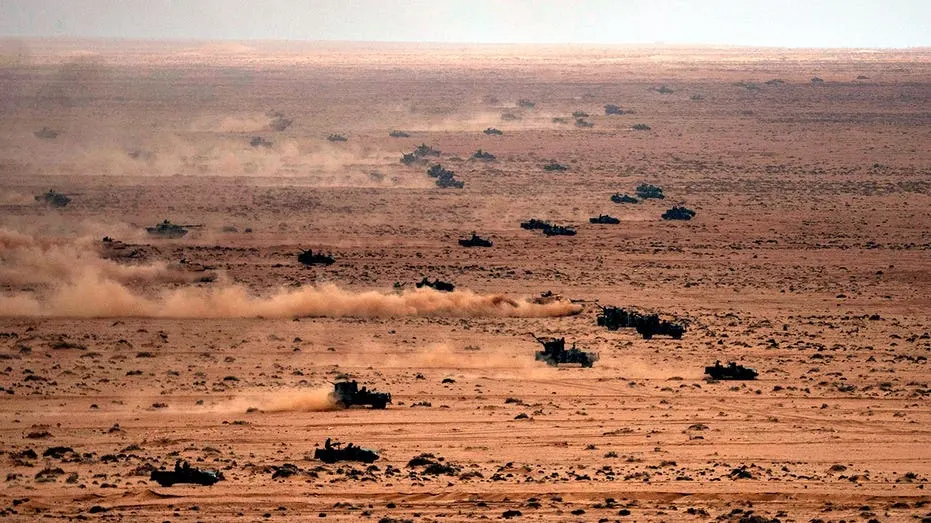
Sidi Hamdi Ould Errachid, head of Morocco’s Laâyoune–Sakia El Hamra Regional Council, says the Western Sahara dispute has entered a new phase, with talks focused on implementing Morocco’s autonomy proposal. His comments come as the UN peacekeeping mission MINURSO begins winding down, after the Security Council failed to renew its mandate.
Morocco says it remains open to negotiations but would continue implementing its proposal if other parties reject it. The plan would give Sahrawis authority over most local affairs while Morocco retains control of the king, flag, currency, armed forces and foreign policy. The Polisario Front seeks independence, and Human Rights Watch has warned that talks centred on autonomy could undermine Sahrawis’ right to self-determination; the regional official also called for greater US investment.
In short
- Morocco says Western Sahara talks now centre on implementing its autonomy plan.
- The UN mission MINURSO is winding down after its mandate was not renewed.
- The Polisario Front seeks independence; rights groups warn self-determination remains at stake.
Steelman: both sides, in good faith
The strongest fair case each way — we don't pick a winner.
The case for
Morocco’s autonomy proposal could offer Sahrawis substantial authority over local affairs while preserving Morocco’s territorial integrity, and its supporters may see it as a practical basis for negotiations after decades of deadlock. They may argue that continued implementation can provide a route to stability and development, while Morocco’s stated openness to talks leaves room for agreement.
The case against
The Polisario Front and other advocates of independence may argue that autonomy under Moroccan sovereignty does not fulfil Sahrawis’ right to choose independence, a concern Human Rights Watch has raised about talks centred on the proposal. They may also contend that winding down MINURSO as negotiations shift towards autonomy risks weakening international oversight and narrowing the options before Sahrawis have freely determined their political future.
Explained simply
Western Sahara is a disputed territory in north-west Africa, claimed by Morocco and also sought as an independent state by the Polisario Front, which represents many Sahrawis, the territory’s people. The dispute dates back to Spain’s withdrawal from the territory in 1975 and has remained unresolved despite a ceasefire.
Morocco’s proposal would give Sahrawis control over many local matters while Morocco kept authority over national powers such as defence and foreign policy. The Polisario Front wants independence, and the UN has long supported efforts to find a settlement that allows the people of Western Sahara to determine the territory’s future.
The UN mission known as MINURSO was set up to monitor the ceasefire and help prepare for a vote on the territory’s status. Its role has made it part of the international effort to manage the dispute, while the competing positions affect the Sahrawis and relations across the region.