Business news and discussion on TalkFuse.
After we revealed that the firm behind Re-turn scheme is expecting €330million in income by the end of 2031, now it emerges Green minister said deposit on bottles and cans could be lowered to prevent company’s profits from rocketing
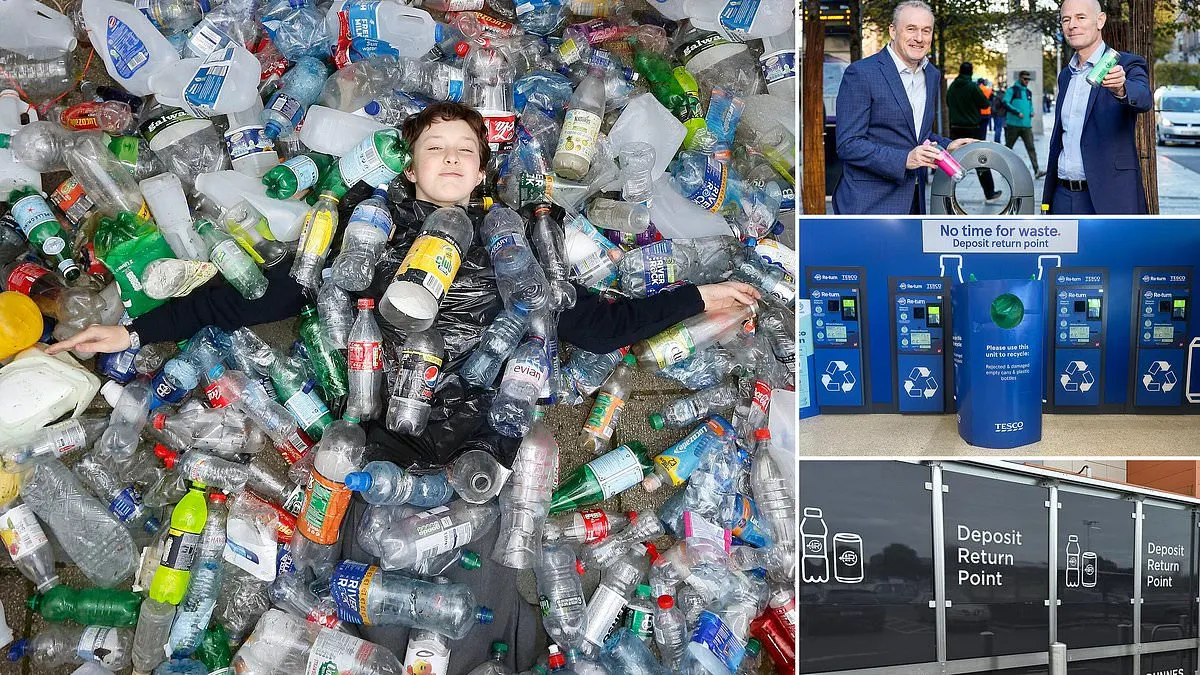
Ossian Smyth, the former minister who introduced Ireland’s Deposit Return Scheme, said deposits on bottles and cans could be lowered if the scheme was generating too much money. His comments have renewed calls to reform the scheme after projections showed its operator, Re-turn, expects substantial income and profits from deposits that consumers do not reclaim.
The scheme began in February 2024, charging a refundable 15 or 25 cents on eligible containers. Re-turn’s projections put income from unclaimed deposits at €330 million and cumulative after-tax profits at €121 million by the end of 2031; unredeemed deposits brought in €61.2 million in 2025, when the return rate was 77%. Smyth also called for supermarkets to accept containers when machines break down, bulk-return machines at recycling centres and powers for councils to fine businesses using ineligible imported cans.
In short
- Smyth said deposits could be cut if the scheme made too much money.
- Re-turn forecasts €330 million from unclaimed deposits by 2031.
- Calls for reform include better return options and lower consumer deposits.
Steelman: both sides, in good faith
The strongest fair case each way — we don't pick a winner.
The case for
Lowering the deposit could limit the operator’s income and profits if many deposits go unclaimed, while preserving the scheme’s recycling benefits. The projections and calls for easier returns also support reviewing the deposit level and improving access, so consumers are not left paying for a system that is difficult to use.
The case against
A substantial share of unclaimed deposits may reflect people choosing not to return containers, and the scheme’s income can support its operation rather than amounting simply to excess profit. Keeping deposits at 15 or 25 cents may preserve a meaningful incentive to return containers; improving machine reliability and access could address concerns without weakening that incentive.
Explained simply
Ireland’s Deposit Return Scheme adds a refundable charge to eligible drink containers: 15 cents for smaller containers and 25 cents for larger ones. People get the money back when they return the bottles or cans through the scheme.
The scheme is run by Re-turn, while the Department of Climate, Energy and the Environment oversees government policy. Deposits that are not claimed become income for the operator, so the amount left unclaimed affects its finances as well as the scheme’s costs and returns.
The debate concerns how to balance encouraging people to recycle with keeping the system convenient and its finances in check. Changes to deposit levels or return arrangements could affect consumers, shops and businesses that handle containers.
Business Companies Government Politics Space Technology World