Entertainment news and discussion on TalkFuse.
After ‘Ziggy Stardust’, why did David Bowie record a covers album at the peak of his powers?
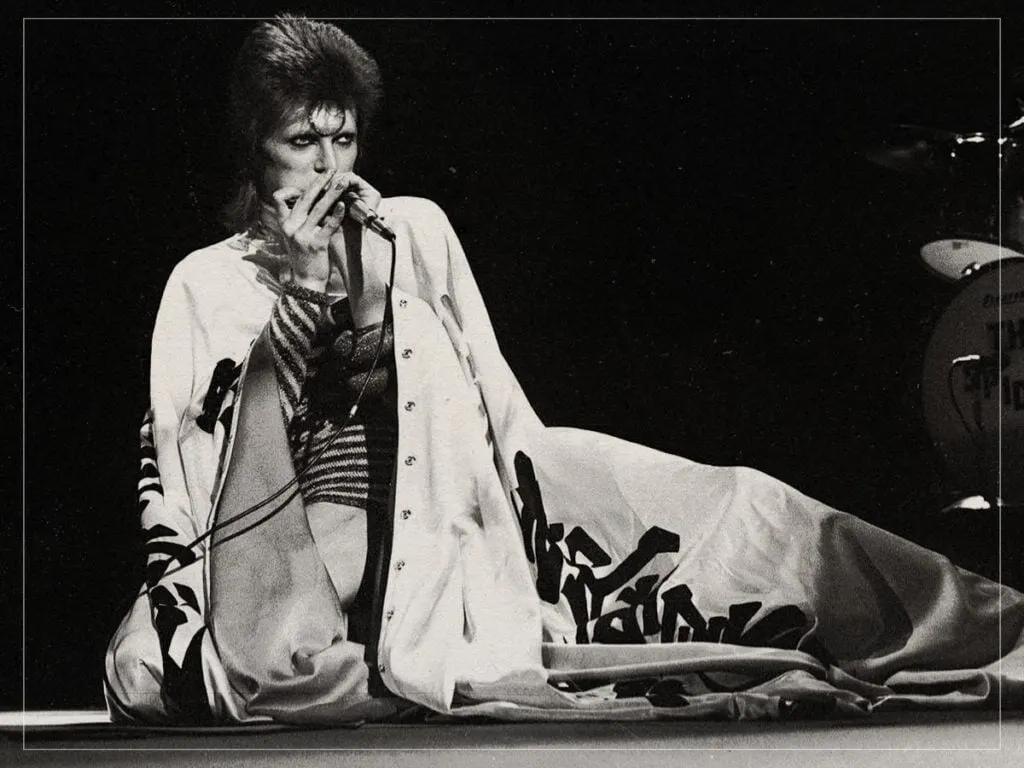
After the success of *The Rise and Fall of Ziggy Stardust and the Spiders from Mars*, David Bowie released *Pin Ups*, a covers album of songs from the mid-1960s. The article presents it as a pause after an intense period of artistic change, when Bowie had ended the Spiders from Mars line-up and was deciding what to do next.
Recorded with guitarist Mick Ronson at the Château d’Hérouville in France, *Pin Ups* reworked songs by artists including the Yardbirds, the Who and Pink Floyd in Bowie’s glam and proto-punk style. Bowie described the originals as “fun and fabulous” songs that had not received enough attention; six months later, he released *Diamond Dogs*, returning to his own material. The article suggests the covers album helped him reconnect with musical roots, while acknowledging that his precise reasons remain uncertain.
In short
- Bowie made *Pin Ups* after the Ziggy Stardust era ended.
- The album reworked mid-1960s songs in his own style.
- *Diamond Dogs* followed six months later.
Steelman: both sides, in good faith
The strongest fair case each way — we don't pick a winner.
The case for
A covers album could be seen as a thoughtful creative pause after an intense run of reinvention: Bowie could reconnect with music that had shaped him while interpreting it through his distinctive sound. Revisiting overlooked songs also gave them fresh attention and let him explore ideas without the pressure of immediately defining his next original work.
The case against
At the height of his creative powers, an album of other artists’ songs could be seen as a less ambitious use of the momentum he had built with Ziggy Stardust. Listeners eager for new Bowie material might reasonably have preferred another album of original songs, though the covers may also have served as a deliberate bridge to his later work.
Explained simply
David Bowie was a British singer and songwriter whose music and image changed markedly during the early 1970s. His album about the fictional rock star Ziggy Stardust brought him major success and helped establish him as one of the era’s leading performers.
Bowie’s band included guitarist Mick Ronson, who helped shape the sound of his records. After ending that line-up, Bowie faced the question of what direction to take next; recording songs by 1960s bands such as the Yardbirds, the Who and Pink Floyd gave him a chance to revisit music he admired. The album sits between his Ziggy Stardust work and his return to writing his own songs, though his exact reasons for making it are unclear.