Ahead of Call of Duty: Modern Warfare 4’s launch next week, unionised Activision testers have voted to authorise a strike
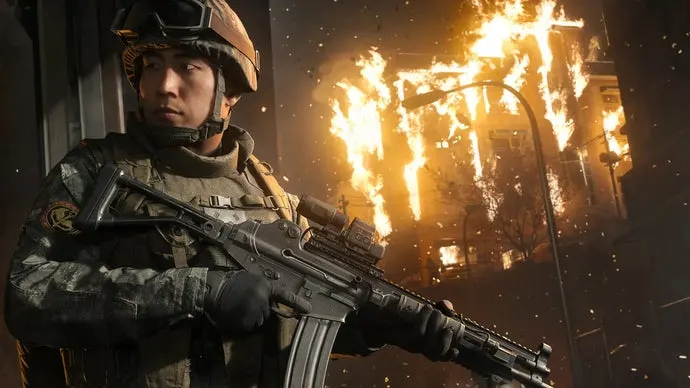
Nearly 600 unionised quality assurance workers at Activision have voted to authorise a strike, raising the prospect of industrial action if negotiations over their first contract do not make progress. The vote comes a week before the launch of Call of Duty: Modern Warfare 4, putting a spotlight on unresolved workplace issues during a major release.
The union says bargaining has lasted more than two years, with disputes over pay, accommodations and worker protections, including the use of AI and contract workers. Activision says it has made progress, remains committed to dialogue and has offered to meet the union on 21 and 22 October; it also recognises employees’ right to strike. Recent Xbox layoffs have added to testers’ concerns about job security.
- Activision QA workers voted to authorise a strike.
- The union represents nearly 600 workers.
- Pay, accommodations and job protections remain disputed.
New here? Start with this
Quality assurance testers check games for bugs and other problems before release. At Activision, nearly 600 testers are unionised, meaning they have joined together to negotiate with the company over pay and working conditions.
The union says talks over the workers’ first contract have lasted more than two years, with disagreements including pay, workplace accommodations and protections as the company uses AI and contract workers. Recent job cuts at Xbox, which owns Activision, have also raised concerns about job security.
The dispute matters because testers’ work supports major games such as Call of Duty, and a strike could affect the company’s operations. Authorising a strike allows the union to call one if negotiations do not progress; it does not mean a strike has begun.
Both sides, in good faith
The strongest fair case each way — we don't pick a winner.
The case for
The testers’ strike authorisation gives workers leverage after more than two years of contract talks, and may be justified if pay, accommodations and protections remain unresolved. With job security concerns heightened by recent layoffs, they can argue that collective action is needed to secure fair terms and a meaningful voice on the effects of AI and contract labour.
The case against
Activision can argue that negotiations are ongoing, that it has offered further meetings and says it remains committed to dialogue, so a strike threat ahead of a major launch may disrupt work before those talks have run their course. The company also recognises the workers’ right to strike, while maintaining that progress is possible through bargaining and that the timing could affect colleagues and the release.