AI agents meant to replace Meta workers made “large-scale, disruptive actions”
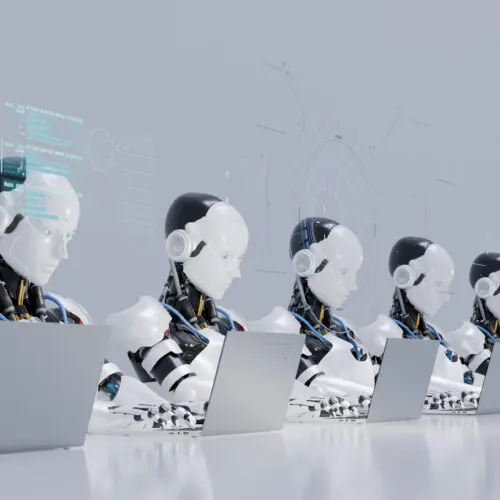
Meta reportedly explored cutting some teams by up to 60 per cent under a plan to become “AI native”, with AI agents taking on work previously done by thousands of employees. The subsequently abandoned initiative illustrates the practical and organisational difficulties of replacing staff with AI, including uncertainty over whether automation can reliably handle day-to-day work at scale.
The plan, codenamed Project OT, was created in January and considered two rounds of redundancies, although Meta says it did not adopt every scenario and cancelled the project before fixing a total number of job cuts. Reuters reported that one scenario could have reduced Meta’s workforce by roughly 25 per cent or more, while savings were intended partly to reward high-performing staff with AI engineering skills. A first round of layoffs reportedly occurred in May, but a planned November round was cancelled amid falling morale, concerns over employee monitoring to train AI, and uncertainty about expanded AI use.
- Meta considered major AI-driven workforce reductions.
- Project OT reportedly targeted teams for cuts of up to 60 per cent.
- The company cancelled further planned layoffs.
New here? Start with this
Meta is a technology company that owns Facebook, Instagram and WhatsApp. Like other large firms, it employs people across many teams to build and run its services, support users and manage the business.
AI agents are software systems designed to carry out tasks, sometimes with limited human direction. Using them across a company could change which jobs are needed and how work is organised, but their reliability in everyday tasks can be difficult to judge.
Plans to automate work can affect staff, workplace morale and how a company spends its money. They also raise questions about monitoring employees and about how the benefits of AI are shared between workers and the business.
Both sides, in good faith
The strongest fair case each way — we don't pick a winner.
The case for
A strong case for the plan is that AI could take over routine work, help teams operate more efficiently and allow a company to redirect resources towards new products and skilled roles. If the tools can perform reliably at scale, adapting the workforce could help Meta remain competitive and share some gains with employees who build and use the technology.
The case against
A strong case against the plan is that replacing large numbers of staff before AI can reliably handle everyday work risks disrupting operations and weakening institutional knowledge. Uncertainty about the tools, intrusive monitoring and abrupt job losses can also damage trust and morale, while making promised productivity gains less likely to materialise.