Technology news and discussion on TalkFuse.
AI Conquered Coding. Fast Food Is Next
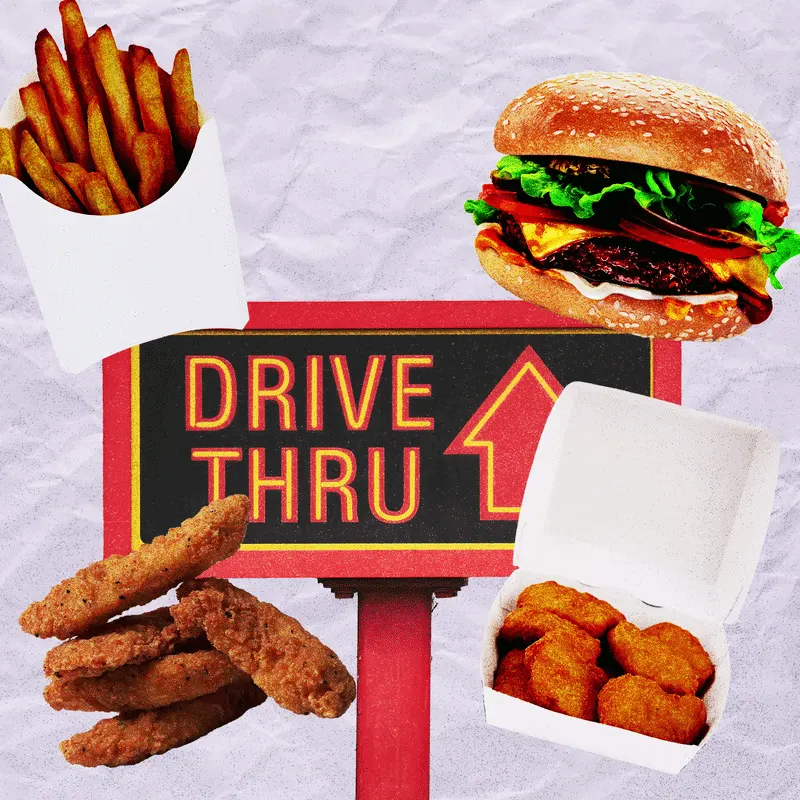
AI-powered voice ordering is rapidly spreading through US fast-food drive-thrus, moving from a novelty that surprised customers to a mainstream feature at major chains. Taco Bell has rolled out the technology at 890 drive-thru lanes (over 10% of its US locations), Dairy Queen is deploying it across 25 states with plans to expand chain-wide, and 12% of White Castle locations use an AI assistant named "Julia," with all new stores opening with her as standard. Industry figures say the technology, refined over roughly three years of testing by chains such as McDonald's, Del Taco and Panda Express, has now matured enough for large-scale rollout.
According to Intouch Insight's annual Drive Thru Survey, the proportion of US fast-food locations using voice AI in the drive-thru rose from about 4% in 2024 to 5% last year, with early data suggesting it has now reached roughly 6%. The push began in 2019 when McDonald's acquired the startup Apprete, but early systems suffered widely mocked failures, including an order of 260 chicken nuggets and one customer requesting 18,000 cups of water. Intouch Insight found AI systems still lag behind human staff on friendliness and order accuracy, and struggle with some accents, meaning many chains keep a human on standby to intervene when needed.
In short
- AI voice ordering is expanding fast across US fast-food drive-thrus.
- Taco Bell, Dairy Queen and White Castle are major adopters.
- AI still trails humans on accuracy, friendliness and accent recognition.
Steelman: both sides, in good faith
The strongest fair case each way — we don't pick a winner.
The case for
After three years of development, AI voice ordering has matured into a reliable tool that demonstrably improves efficiency during peak periods whilst maintaining human oversight for complex orders. The technology reduces operational costs and serves customer convenience, with systems handling the vast majority of orders successfully and human staff available to intervene when needed. For businesses operating on thin margins in a competitive industry, this represents necessary technological progress.
The case against
The rollout prioritises corporate efficiency over significant concerns about employment losses in an economically vulnerable sector and accessibility barriers. Current systems demonstrably struggle reliably with accents and non-native speakers, creating service gaps that particularly disadvantage marginalised groups, and the scale of deployment raises serious questions about job displacement in an industry where workers already face precarious conditions and low wages. This expansion of automation warrants far greater scrutiny of its societal costs alongside efficiency gains.
Explained simply
Fast-food chains across the United States are rolling out AI voice assistants to take drive-thru orders, replacing or supplementing human staff at the speaker box. Companies including Taco Bell, Dairy Queen and White Castle have been expanding the technology from small trials into hundreds or thousands of locations, following several years of testing by chains such as McDonald's, Del Taco and Panda Express.
The idea dates back to 2019, when McDonald's bought a voice-technology startup to develop the systems. Early versions became notorious for comically wrong orders, including absurdly large quantities of nuggets or drinks, which made the technology a target of public mockery even as companies kept refining it behind the scenes.
The story matters because it reflects a broader trend of AI moving into everyday service jobs, not just office or technical work. Independent research suggests these systems still fall short of human staff on friendliness and accuracy, and can struggle to understand certain accents, which is why many restaurants keep a person on hand to step in when needed.