Technology news and discussion on TalkFuse.
AI data centres could undermine UK’s emissions goals
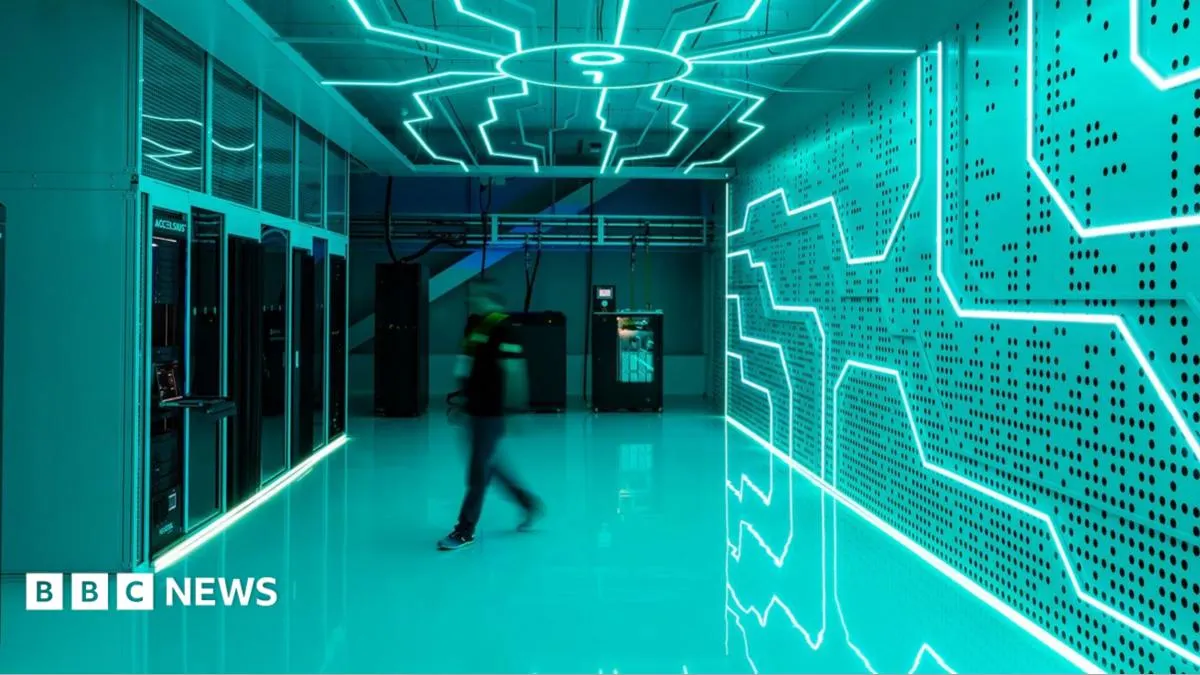
The government’s decision to let data centres generate electricity on site while waiting for grid connections could make the UK’s net zero target harder to achieve. BBC research found four planned large AI data centres are considering gas-fired power, prompting environmental concerns about emissions and the impact on nearby communities.
The four sites, three in southern England, could need 1.3 gigawatts if run continuously at full capacity and produce an estimated 4.1 million tonnes of carbon emissions each year, more than Manchester, Liverpool and Southampton combined. Ofgem says data centre developers are seeking 72 gigawatts of grid connections, against peak national demand of 45 gigawatts last year; some projects may wait up to 10 years for connections. The government says its Data Centre Covenant sets expectations on costs, jobs, communities and water, while allowing on-site generation where grid power is unavailable.
In short
- Four planned AI data centres are considering gas-fired power.
- Their estimated emissions could reach 4.1 million tonnes a year.
- Developers face long waits for grid connections.
Steelman: both sides, in good faith
The strongest fair case each way — we don't pick a winner.
The case for
Allowing temporary on-site gas generation could let data centres begin operating while grid connections are delayed, supporting investment, jobs and digital infrastructure that the UK may need. If generation is limited to the waiting period and developers meet clear emissions and community standards, the policy could be a practical bridge rather than a retreat from net zero.
The case against
Gas-fired power at the scale envisaged could add substantial emissions and local pollution, making the UK’s climate targets harder to meet and placing costs on nearby communities. Permitting it may also weaken incentives to secure cleaner power and could lock in fossil-fuel infrastructure if grid delays persist or temporary arrangements become long term.
Explained simply
Data centres are large buildings that house computer servers, which store and process information. AI services rely on these facilities, which need substantial amounts of electricity and cooling to operate. The UK has a legal target to reach net zero emissions by 2050, meaning a balance between greenhouse gases released and those removed from the atmosphere.
The key players include data centre developers, the government and Ofgem, the energy regulator, which manages access to the electricity grid. Developers need reliable power, but new grid connections can take years as the network is upgraded. Some are considering generating electricity at their sites while they wait.
Gas-fired power stations release carbon dioxide, so using them could add to the UK’s emissions. The issue matters for climate targets and for people living near proposed sites, while data centres may also bring jobs and investment. The government’s Data Centre Covenant sets expectations for developers on costs, jobs, communities and water.
AI Climate Football Science Sport Technology