AI-driven upgrade of communications energy storage empowers a new energy ecosystem for multiple industries
This sponsored feature explores how AI-enhanced energy storage at telecom sites could help ease the strain that datacentres and 5G networks are placing on power grids. As AI-driven electricity demand surges, the article argues that telecom operators already possess untapped batteries, generators and renewable assets at their sites that could be turned from passive backup systems into active contributors to grid stability, low-carbon development and new revenue streams, if managed intelligently.
The piece cites International Energy Agency figures showing global datacentre energy consumption is set to double between 2025 and 2030 to 950 TWh (three per cent of global electricity demand), with AI datacentre consumption tripling over the same period; telecom networks separately consumed 260-360 TWh in 2022, around 1.5 percent of global electricity use, two-thirds of it from mobile. It goes on to detail ZTE Digital Energy's proposed solution, an integrated "full-stack" battery energy storage system (BESS) combining a 261 kWh dual liquid-cooled cabinet unit for edge sites with a cascadable containerised BESS scaling to hundreds of megawatts, designed to replace fragmented, multi-vendor storage setups with a single coordinated system for AI datacentres and industrial parks.
- AI and 5G are sharply increasing telecom and datacentre power demand.
- Article proposes turning idle telecom batteries into active grid assets.
- ZTE pitches an integrated BESS to replace fragmented energy storage setups.
New here? Start with this
Telecom networks and datacentres are consuming ever more electricity, driven largely by the rapid growth of artificial intelligence. Running AI systems requires vast computing power, and the datacentres that host this work, along with the mobile networks that connect to it, are placing growing demands on national power grids, raising concerns about capacity and rising carbon emissions.
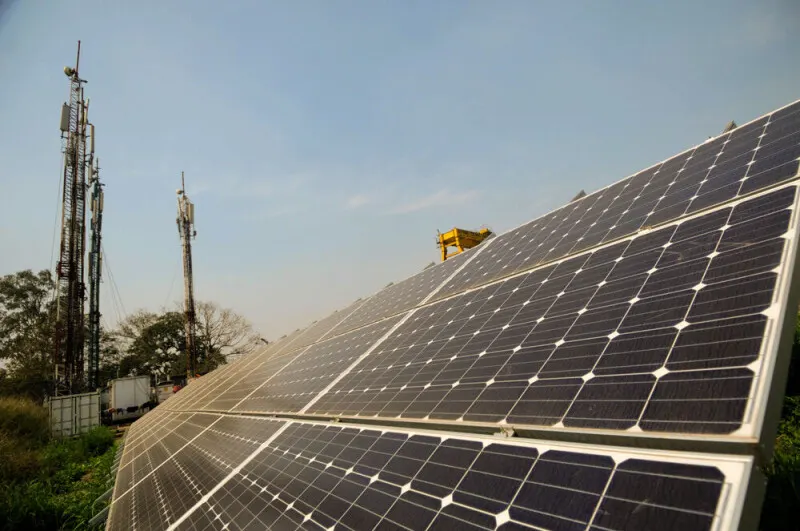
Telecom operators already run large numbers of sites equipped with batteries, backup generators and, increasingly, renewable energy sources such as solar panels. Traditionally these have served a narrow purpose: providing backup power if the mains supply fails. The idea explored here is that, with better coordination and intelligent management, this existing equipment could do more, helping to balance electricity supply and demand more broadly rather than sitting idle most of the time.
Companies that build telecoms and energy equipment, including firms such as ZTE Digital Energy, are developing combined battery storage systems intended to link scattered equipment into a single, more efficient network. Understanding this background matters because it touches on how the infrastructure behind everyday mobile and internet use may need to adapt as AI-related energy demand continues to rise.