Technology news and discussion on TalkFuse.
AI-generated stories rated better quality than human-written ones, study finds
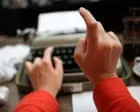
A new study has found that short stories generated by ChatGPT were rated as more absorbing, engaging and higher quality than those written by human authors, raising questions about AI's growing capabilities in creative writing. The research, published in the journal Judgment and Decision Making, suggests people struggle to distinguish AI-written fiction from human-written work, though the study's authors stress this does not mean human authors have become redundant.
Researchers from Villanova University asked 1,682 adults to read one of six short stories, half written by humans and half by ChatGPT on matching themes, sometimes misleading participants about the true author. AI stories were rated more highly overall, though stories labelled as human-written received a ratings boost regardless of true authorship. In follow-up tests with 905 adults asked to identify which of two stories was AI-generated, accuracy was around 40-52%, no better than chance, though people with more AI expertise fared better. Lead researcher Dr Deena Skolnick Weisberg said AI's simpler style makes it easier to read, but argued there remains a distinct value in human creative expression.
In short
- Study: AI-written short stories rated better than human-written ones
- Most readers could not reliably tell AI from human authorship
- Researcher says AI's simplicity aids readability, but humans still matter
Steelman: both sides, in good faith
The strongest fair case each way — we don't pick a winner.
The case for
This research provides concrete evidence that AI-generated creative content can achieve high quality by standards that matter to readers—readability, engagement, and perceived quality. The technology's strength in producing accessible, straightforward prose serves real purposes, from making creative content more inclusive to supporting writers with assistance tools. Rather than dismissing AI's growing capabilities, we should acknowledge this as a significant development and consider how to constructively integrate these tools into the creative landscape.
The case against
A single study shouldn't be construed as proving AI creative superiority or undermining the value of human artistic expression. The research has methodological limitations, including the finding that reader expectations about authorship influence ratings regardless of actual quality. Beyond this, engagement ratings miss what makes literature profoundly meaningful: the irreplaceable authenticity of human experience, the insight possible only through living as human, and the intrinsic cultural value of artists' distinct voices and visions. We should be cautious about over-interpretation and steadfast in supporting human creativity.
Explained simply
Generative AI systems such as ChatGPT produce new text in response to prompts. In creative writing, people can ask them to write a story on a particular theme or in a particular style, raising questions about how readers respond to computer-generated fiction.
The study involved researchers at Villanova University and adult readers who assessed short stories with matching themes. Its findings matter to writers, publishers and readers as AI tools become more common, but ratings of quality do not settle questions about originality or the value people place on human creativity.
AI Art Culture Research Science Technology