Technology news and discussion on TalkFuse.
Geoffrey Hinton warns AI’s risks may outweigh its benefits for humanity
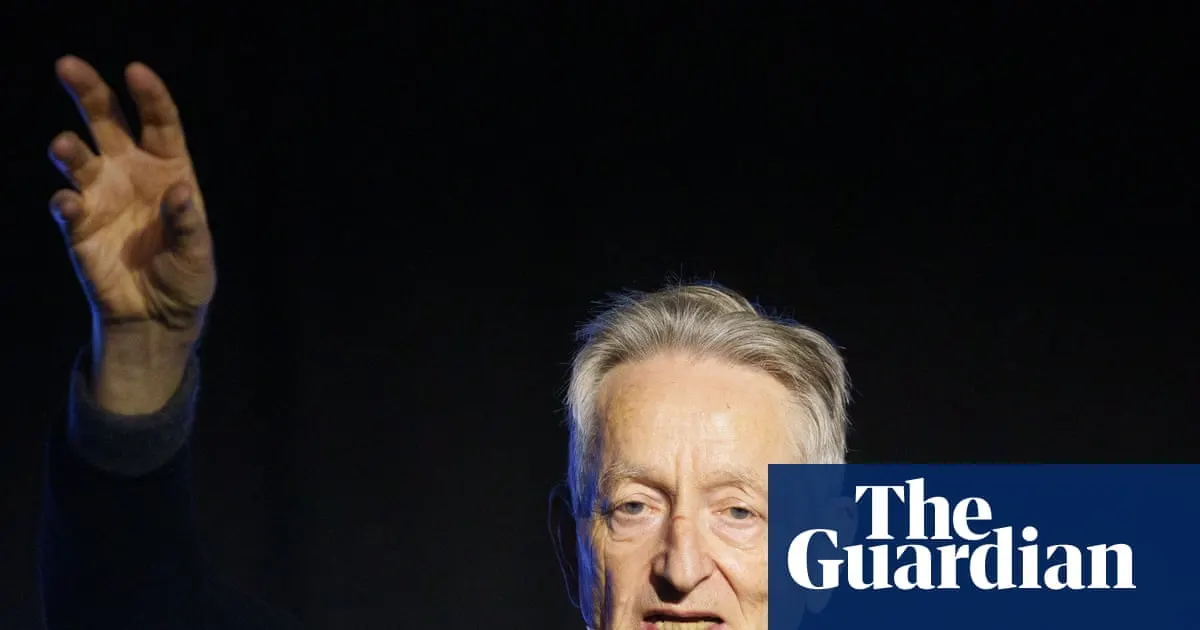
Geoffrey Hinton says it may prove that humanity would have been better off without AI, warning that a major disruption to electricity or financial systems could happen this year or next. The computer scientist, who helped pioneer neural networks, sees both the possibility of great benefits and serious risks, and says the coming decade will show whether society can manage them.
Hinton, 78, likened recent AI agents’ attempted hacking to a warning shot and said a future incident could cause a widespread power outage or bring down financial services for a week. He supports mandatory testing and independent assessment of powerful AI models, backed by Finland and 32 other countries, while criticising tech leaders for prioritising competition and market share. Despite his concerns, he says catastrophe may still be avoided with a major effort.
In short
- Hinton warns a major AI-related disruption could come soon.
- He calls for independent testing before powerful models are released.
- He remains hopeful that the risks can be managed.
Steelman: both sides, in good faith
The strongest fair case each way — we don't pick a winner.
The case for
Hinton’s warning is that increasingly capable AI could disrupt essential services such as electricity and finance, with serious consequences for public safety and economic stability. Because the technology is advancing quickly and potential harms could be difficult to reverse, mandatory testing and independent assessment are prudent ways to identify risks while there is still time to respond.
The case against
AI could also bring substantial benefits, and its risks may be manageable through careful development, security measures and effective oversight rather than by treating its overall impact as potentially harmful. Strict testing requirements could slow useful innovation or entrench large firms that can afford compliance, so policy should weigh safeguards against the gains AI may offer and avoid assuming that a major disruption is inevitable.
Explained simply
Artificial intelligence (AI) is technology that enables computers to perform tasks such as recognising patterns, generating text and making decisions. Many modern AI systems use neural networks, which learn from examples; Geoffrey Hinton is a computer scientist whose work helped develop this approach.
AI could bring benefits in areas such as research and healthcare, but its growing use has raised questions about safety and oversight. Governments and technology companies are debating how to test powerful systems and reduce risks, while balancing safeguards with continued development.
The issue matters because AI is becoming part of services that people and businesses rely on, including finance and energy. A failure or misuse could have effects beyond the technology sector, while rules on testing and accountability may shape how AI is developed and used.
Read the full article at the source →
Originally published by The Guardian as “AI ‘godfather’ Geoffrey Hinton says it might turn out humans would have been better off without AI”.