AI is now making new viruses
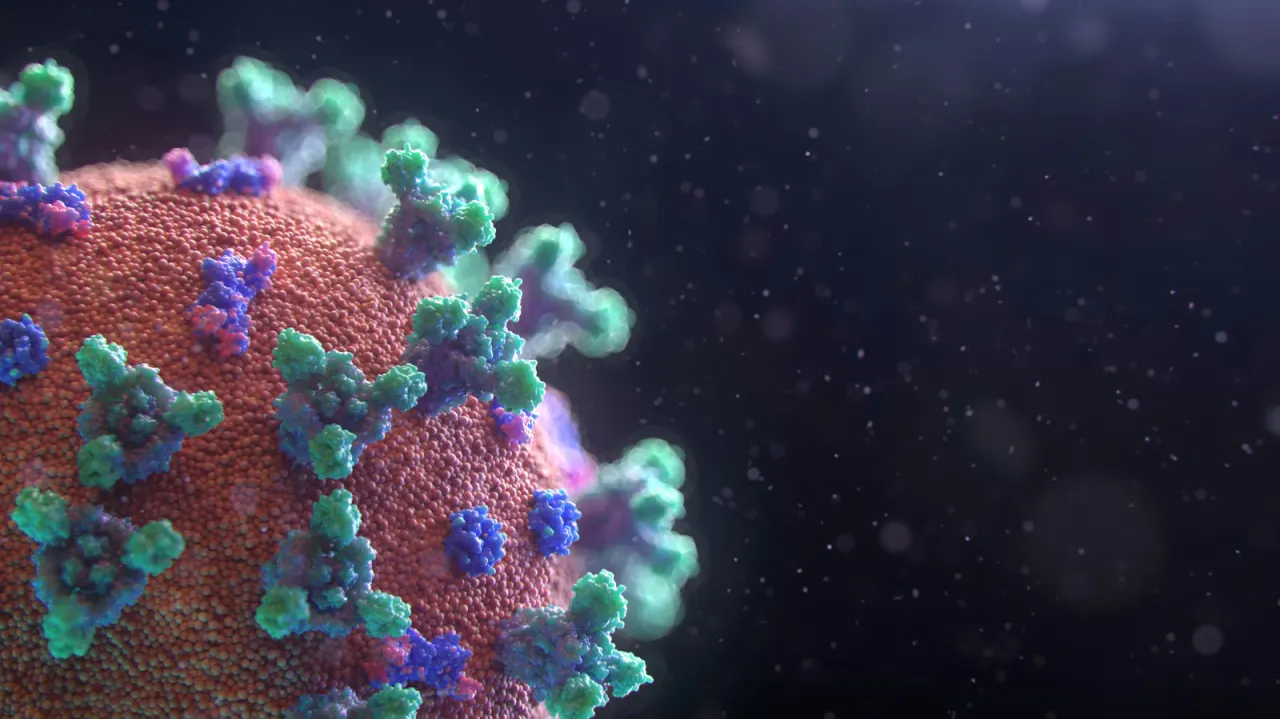
Researchers at Stanford University and the Palo Alto-based Arc Institute have used artificial intelligence models to design new viruses capable of infecting and reproducing inside bacteria, according to a study published in the journal Science. The work, carried out with careful safeguards, could pave the way for advances in gene therapy and biotechnology, but it also raises fears that similar AI tools could one day be misused to design dangerous pathogens if deployed without the same ethical restraint.
The team used genome language models called Evo 1 and Evo 2, which function much like large language models such as ChatGPT but are trained on genetic sequences rather than text. Trained further on around 15,000 viruses related to Phi X-174, a virus that infects only E. coli bacteria, the models generated roughly 700,000 candidate new viruses. Researchers narrowed these down to 285 promising designs, synthesised their DNA and tested them in bacteria, finding that 16 produced viable, functioning viruses, some of which reproduced faster than naturally occurring ones. While the scientists deliberately excluded anything capable of infecting humans, animals, plants or fungi, the breakthrough highlights growing concern that future, more advanced systems could be exploited to design harmful biological agents.
- AI models Evo 1 and Evo 2 designed new bacteria-infecting viruses
- 16 of 285 tested designs produced viable, functioning viruses
- Raises biosecurity concerns despite safeguards used in this study