Indigenous artists warn AI reuse erases cultural context and agency
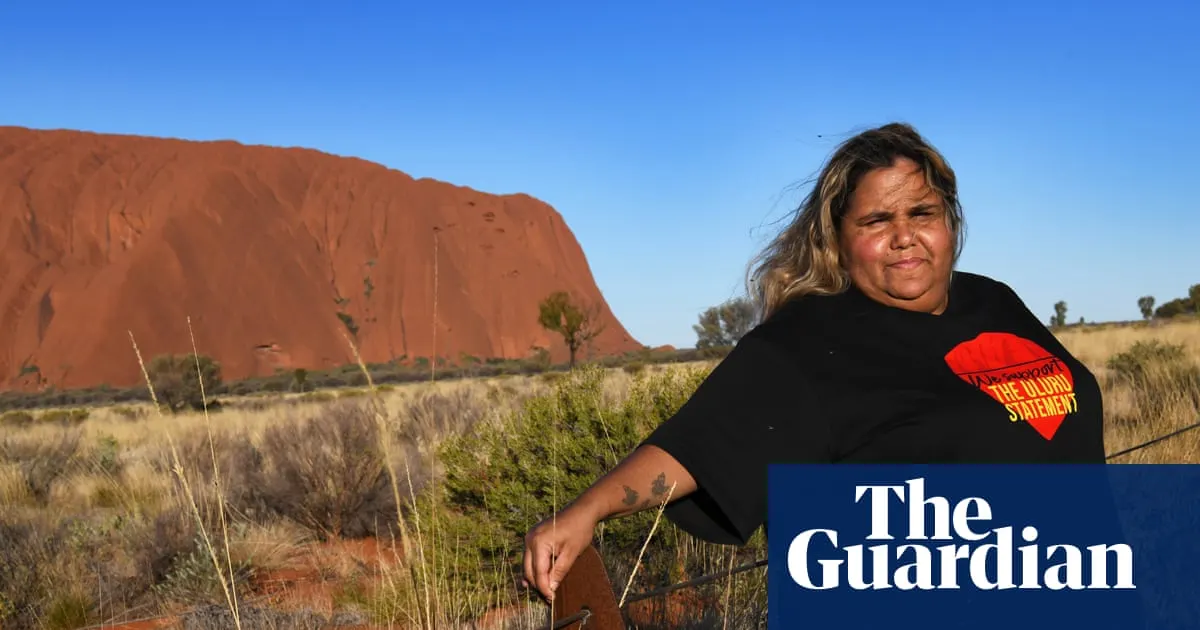
Pitjantjatjara artist Sally Scales says AI is copying First Nations art and turning it into generic products, stripping away artists’ agency and the cultural connections that give their work meaning. The concerns extend beyond copyright: Indigenous cultural and intellectual property may be taken from material online and reused without consent, attribution or respect for its context.
Scales chairs the National Gallery of Australia’s First Nations advisory group. Intellectual property specialist Kathy Bowrey says one in five creators already faces copyright infringement, while AI can let clients repurpose commissioned images without permission and compete with the artists who made them. The National Association for the Visual Arts says AI has scraped Indigenous art centre websites, removed artists’ names and altered works; it warns that AI-generated Aboriginal-style designs can spread misinformation and cause cultural and economic harm.
In short
- Scales says AI is stripping cultural meaning from First Nations art.
- Artists’ names have reportedly been removed from scraped works.
- Advocates warn of cultural and economic harm.
Steelman: both sides, in good faith
The strongest fair case each way — we don't pick a winner.
The case for
AI systems that reuse Indigenous art without consent or attribution can strip works of their cultural context, misrepresent traditions and divert income from artists. Because cultural knowledge and authority may not be captured by ordinary copyright rules, advocates argue that meaningful consent, attribution and Indigenous control are needed to protect both artists’ livelihoods and the integrity of their cultures.
The case against
AI developers and users may argue that learning from publicly available images and generating new designs can support research, creativity and wider access to visual tools, without necessarily reproducing any particular artwork. They may also contend that copyright and other existing safeguards can address clear copying, while broad restrictions on training could limit legitimate innovation and raise difficult questions about how artistic influence differs from infringement.
Explained simply
First Nations art is made by Aboriginal and Torres Strait Islander artists, often within cultural traditions and communities that shape what a work means and how it may be shared. An image can carry knowledge, identity and responsibilities that are not obvious from its appearance alone.
Sally Scales is a Pitjantjatjara artist who chairs the National Gallery of Australia’s First Nations advisory group. Kathy Bowrey is an intellectual property specialist, and the National Association for the Visual Arts represents people working in the visual arts.
The concerns raised are about how AI systems use images found online and how generated designs may be presented or sold. They involve copyright, but also consent, credit and cultural authority, with possible effects on artists’ livelihoods and on how Indigenous art and culture are understood.
AI Americas Art Culture Entertainment Music Software Technology World
Read the full article at the source →
Originally published by The Guardian as “AI is stealing Indigenous Australian art and churning out ‘Temu slop’, artist says”.