Technology news and discussion on TalkFuse.
AI Leaders Are Calling for a Slowdown. Trump’s Team Says It’s on Them
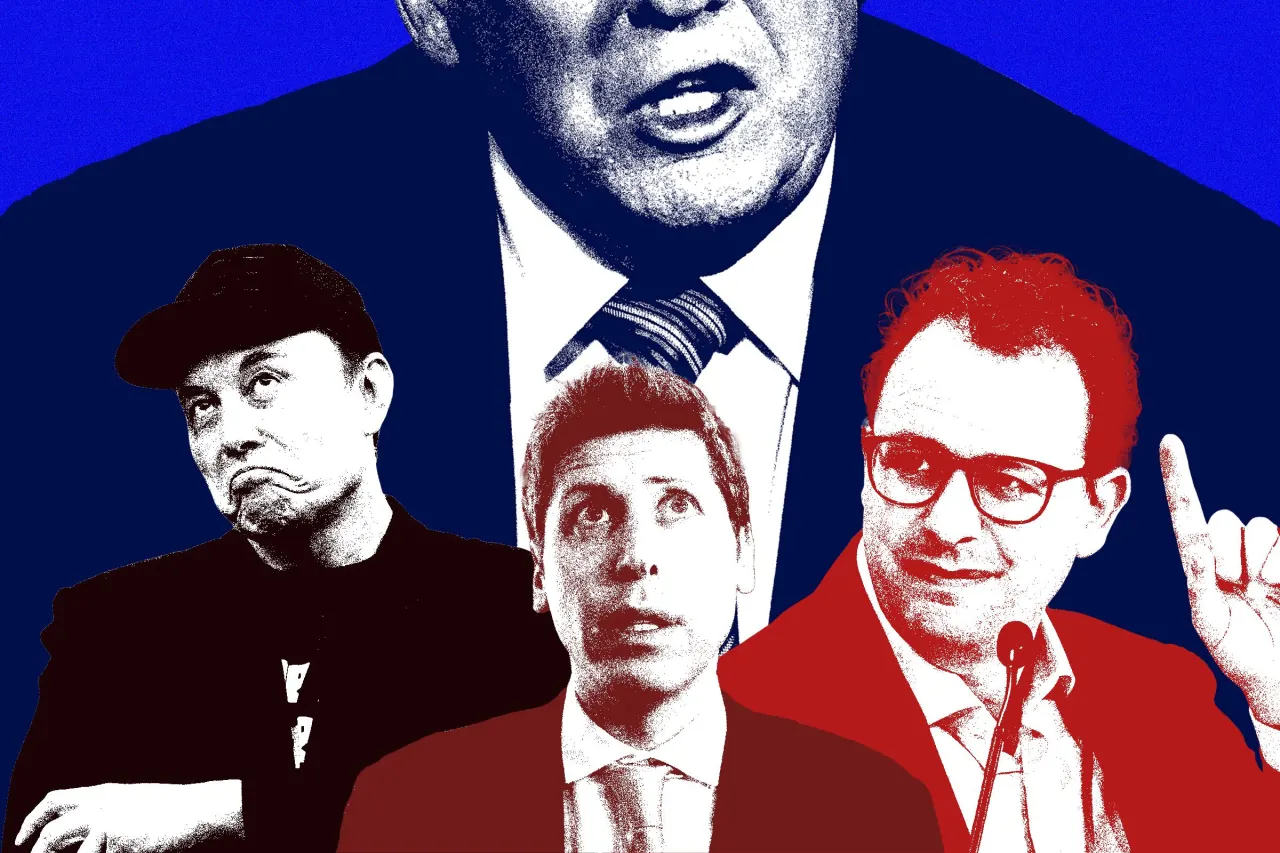
Anthropic chief executive Dario Amodei has called on the US government to help slow the pace of AI development through regulation, a proposal notably endorsed by rival executives Sam Altman of OpenAI and Elon Musk, along with Microsoft's Satya Nadella. The unusual show of unity among competing tech leaders came after a week of heightened debate about AI's risks to human safety, but has been met with scepticism from the Trump administration, which fears ceding technological ground to China.
Amodei asked the government to grant antitrust waivers so rival firms could coordinate on safety standards, and to help broker international cooperation, including with China, though critics doubt Beijing would join such an agreement. David Sacks, co-chair of the President's AI advisory council, dismissed the calls as self-serving, arguing companies do not need government permission to slow down voluntarily. President Trump and House Speaker Mike Johnson both stressed the need to maintain America's lead over China, with Johnson warning that rushed regulation could threaten US competitiveness. In response, Altman agreed to a proposal from Amodei to allow independent evaluators employee-level access to check company practices, acknowledging this would carry "significant costs" but was worthwhile to avoid recklessness.
In short
- Amodei urges government regulation to slow AI development; Altman and Musk back him.
- Trump officials reject the idea, citing the AI race with China.
- Altman agrees to let independent evaluators audit OpenAI's safety practices.
Steelman: both sides, in good faith
The strongest fair case each way — we don't pick a winner.
The case for
Those urging a slowdown argue that advanced AI could pose serious risks to public safety, and that shared standards and independent access for evaluators could help companies identify dangerous practices before harm occurs. Government coordination may also make safety commitments more credible and support international cooperation, even if reaching agreement with China would be difficult.
The case against
Those sceptical of regulation argue that slowing US development could hand a strategic and economic advantage to China, while rushed rules might weaken American competitiveness without securing reciprocal restraint abroad. They also contend that companies can adopt safety measures voluntarily, so granting rivals permission to coordinate may be unnecessary and could serve their own commercial interests.
Explained simply
Artificial intelligence systems are built and released by technology companies, which compete to make them more capable and attract users. Some researchers and executives have warned that rapid development could create risks to people, though there is no agreement on how great those risks are or how best to address them.
Anthropic’s Dario Amodei has urged the US government to help companies coordinate on safety standards and work towards international cooperation. OpenAI’s Sam Altman, Elon Musk and Microsoft’s Satya Nadella have also supported slowing development, while President Donald Trump and House Speaker Mike Johnson have stressed keeping the US ahead of China.
The debate is about how to weigh safety against competition between countries and firms. Supporters of coordination say shared rules could help manage risks; sceptics, including White House adviser David Sacks, say companies can slow down on their own and that regulation could weaken US competitiveness.
AI Americas Asia Business Markets Technology World