Technology news and discussion on TalkFuse.
AI ops tools will create console sprawl and break IT more often: Gartner
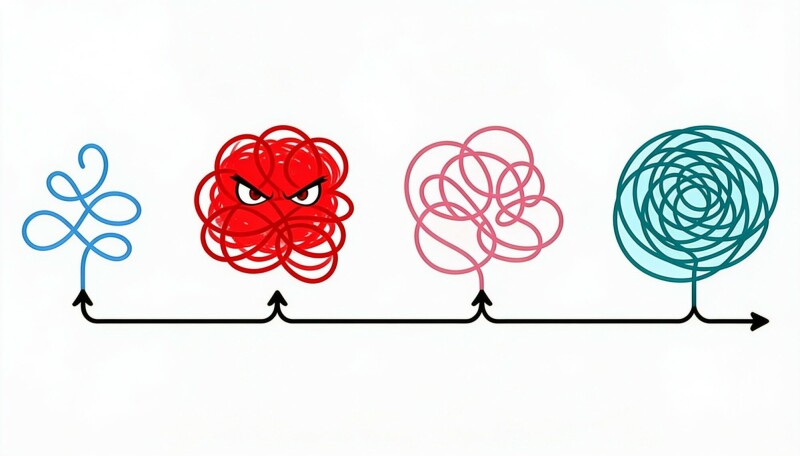
Gartner's 2026 analysis predicts that artificial intelligence will eventually assume roughly a quarter of infrastructure and operations responsibilities by 2030, yet warns the path forward involves significant operational friction. Although vendors promise intelligent systems will consolidate tools and unify data across silos, the analyst expects the opposite in the near term: additional platforms, management layers, and specialized monitoring solutions will proliferate before market consolidation reduces overall complexity.
Enterprise adoption will accelerate sharply regardless of these challenges. Gartner anticipates 60 percent of organisations will deploy AI-driven operations systems by 2029, increasingly authorising automation without human oversight—down from 80 percent requiring approval today. However, this shift carries mounting risk: the analyst projects that 40 percent of organisations using AI operations agents in production will experience critical service disruptions by 2028, compared to fewer than one percent currently. By 2030, half of IT operations teams will undergo restructuring as machines handle more autonomous decision-making, with AI performing approximately one quarter of tasks entirely unsupervised whilst humans augment the remaining work.
In short
- Gartner forecasts AI will automate 25% of IT operations work by 2030, but expects years of platform fragmentation and tool sprawl before consolidation occurs.
- Enterprise adoption will accelerate despite risks: 60% of companies deploying AI ops by 2029, with 40% facing critical service disruptions by 2028—a 40-fold increase from current disruption rates.
Steelman: both sides, in good faith
The strongest fair case each way — we don't pick a winner.
The case for
The transformation of IT operations through AI is inevitable and valuable. While Gartner acknowledges short-term complexity, this is a normal adoption phase for transformative technology; enterprises deploying rapidly (60% by 2029) clearly see compelling value in automating 25% of routine work. Even accounting for some disruptions, the long-term gains—freeing humans from repetitive tasks and improving response times—outweigh temporary friction that the market will naturally resolve as solutions consolidate.
The case against
Gartner's analysis itself reveals why this transformation is riskier than proponents acknowledge. The progression from 80% requiring human approval to 60% with significantly reduced oversight happens during a period of maximum complexity—more tools, more failure points, less human control. The projection that 40% of organisations will experience critical failures represents not just a temporary inconvenience but a fundamental reliability problem at a moment when organisations are reducing safeguards.
Explained simply
AI operations tools are software systems designed to help manage computer networks and servers automatically, using artificial intelligence to make decisions faster than human teams can. Companies are increasingly interested in deploying these systems because vendors promise they will simplify operations by consolidating multiple management tools into unified platforms, yet Gartner's latest analysis suggests the opposite will happen initially.
According to Gartner's 2026 report, companies will actually experience greater operational complexity in the short term as AI systems proliferate. More platforms, additional management layers, and new monitoring solutions will be added before the market eventually consolidates, creating what the industry calls "console sprawl"—a situation where IT teams must juggle many separate interfaces and systems rather than the unified experience that vendors promised.
Organisations are adopting these AI operations tools with increasing speed, and many are authorising machines to make decisions without human approval. Gartner warns that organisations face significant risks: the analyst projects 40 percent will experience critical service disruptions by 2028. IT operations teams will shrink and restructure as AI handles more autonomous work, fundamentally reshaping how technology is managed across enterprises.