AI Slop Is Ruining Cute Animals on the Internet
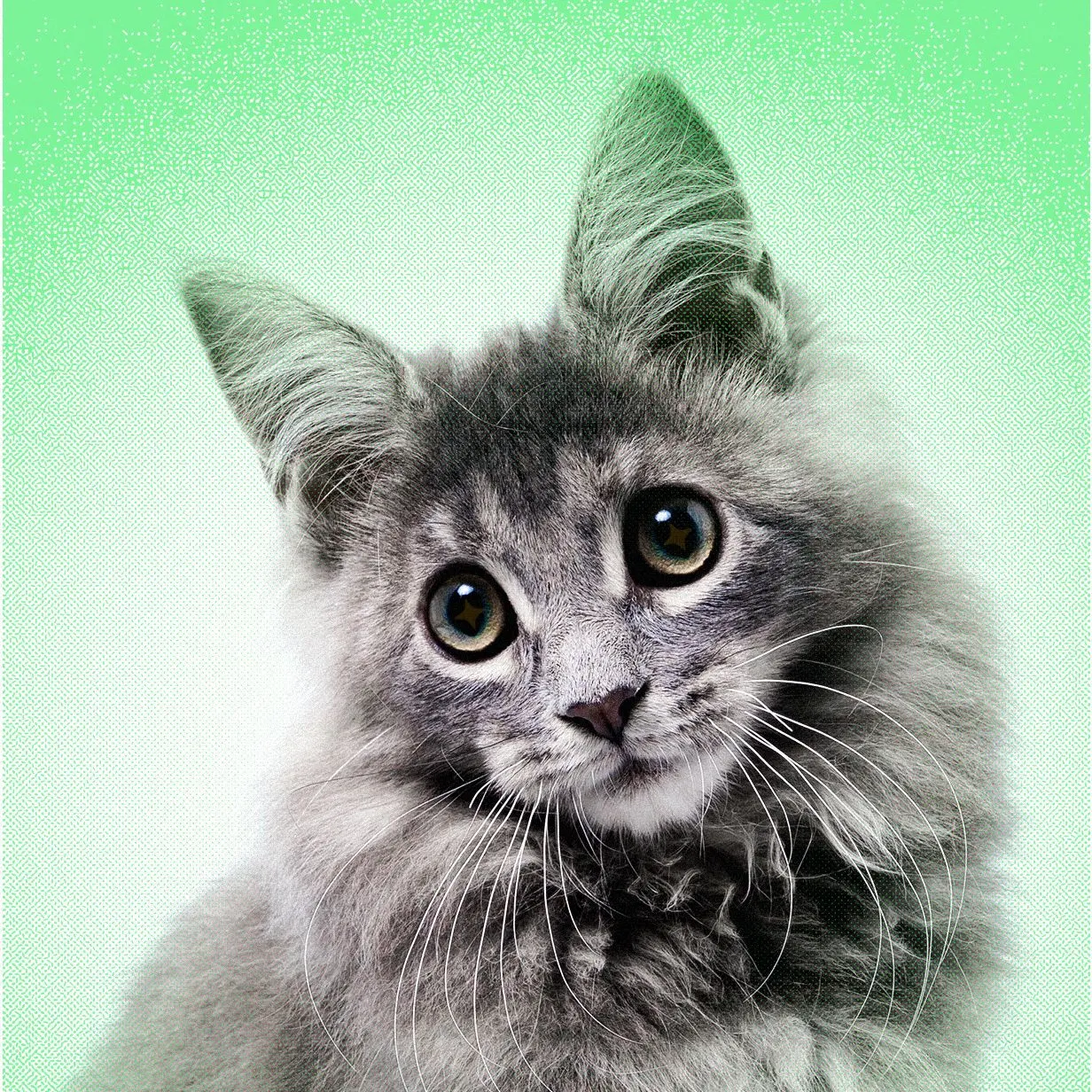
AI-generated "slop" content is increasingly flooding social media around animals, with fake images and videos being used to scam pet owners, undermine legitimate animal welfare journalism, and drown out authentic conservation content. In one case, a Los Angeles woman named Mibbby Butler was targeted by a scammer who sent an AI-generated photo of her missing cat, Brooklyn, and demanded payment for his "care" before she could get him back; she spotted the fake due to garbled text on a background object and refused to pay, but her cat remains missing four months later.
The problem extends beyond scams to genuine welfare organisations, such as the nonprofit We Animals, which works with 175 photojournalists documenting alleged animal abuse but now faces accusations of using AI itself, even though it bans photographers from doing so. The group plans to counter this by sharing behind-the-scenes verification footage and adopting technology that embeds provenance data into its files. Animal activist Oscar Horta warns that cheaply produced AI fakes, including implausible rescue videos, are crowding out real footage in feeds and search results, potentially eroding trust in genuine rescue efforts, harming fundraising and even encouraging people to act dangerously based on false scenarios.
- AI-generated pet content is fuelling scams and mistrust online
- A woman was scammed with a fake AI photo of her lost cat
- Genuine animal welfare groups now face false AI accusations too
New here? Start with this
Artificial intelligence can generate convincing images and videos from written instructions. On social media, fabricated animal posts can be hard to distinguish from genuine photographs, footage and reports.
Pet owners may be targeted with fake images to demand money, while animal welfare groups can face doubt about authentic material they publish. We Animals, a nonprofit that works with photojournalists documenting animal abuse, says it prohibits AI-generated images.
This matters because people rely on animal content to find missing pets, support welfare work and learn about conservation. If fabricated rescue scenes and other fakes become harder to separate from real evidence, they may weaken trust and divert attention or donations from genuine cases.
Both sides, in good faith
The strongest fair case each way — we don't pick a winner.
The case for
AI-generated animal content causes documented, measurable harm—it's weaponised to scam vulnerable pet owners, erodes trust in legitimate animal welfare organisations, and drowns out genuine conservation content. These concrete injuries to real people and institutions justify stronger measures like provenance verification and platform accountability to protect both individual security and the credibility of animal welfare institutions.
The case against
Whilst acknowledging problematic misuses, restricting AI-generated animal content risks stifling beneficial applications in education and creative work. Better solutions exist: strengthening media literacy, enforcing existing fraud laws through platforms, and implementing authenticity verification without preventing legitimate creation. Cautious stewardship of technology serves us better than over-regulation that could inhibit beneficial innovation.