Technology news and discussion on TalkFuse.
AI was supposed to destroy jobs. Where’s the carnage?
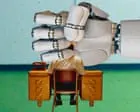
Predictions that artificial intelligence would rapidly eliminate large numbers of jobs have not yet been borne out, despite high-profile warnings from technology executives and companies linking some layoffs to AI. Economists say the technology is instead changing how work is organised and what employers expect from staff, in a pattern more akin to earlier, slower technological revolutions.
A Stanford analysis found unemployment among the fifth of workers most exposed to AI rose 0.77 percentage points since 2022, slightly less than the 0.85-point rise among the least exposed. Recent graduates’ unemployment reached 5.6%, against a national average of 4.2%, although researchers say remote work and the reversal of pandemic-era overhiring may also be factors. About 74% of employers now view AI skills as a major advantage or requirement, while economists expect longer-term effects to include fewer hires for automatable tasks and potentially more contract work.
In short
- AI has not yet caused the predicted mass job losses.
- Employers increasingly expect applicants to have practical AI skills.
- Economists expect gradual changes to jobs and hiring.
Steelman: both sides, in good faith
The strongest fair case each way — we don't pick a winner.
The case for
The evidence so far contradicts alarmist predictions about AI destroying jobs en masse. Unemployment among the most AI-exposed workers has risen only marginally compared to the least exposed, and historical precedent suggests technological revolutions consistently create more jobs than they destroy. Rather than wholesale replacement, employers are integrating AI into existing roles, fundamentally shifting how people work. This pattern aligns with earlier technological shifts, suggesting optimism about AI's employment effects is warranted.
The case against
Whilst large-scale job losses haven't yet materialised, dismissing concerns as alarmism would be premature when early warning signs are troubling. Rising graduate unemployment despite strong overall economic conditions suggests AI is already dampening entry-level hiring, and the pattern of employers seeking AI skills whilst reducing permanent roles points toward a future of fewer positions and more precarious contract work. We remain in the early stages of AI deployment; complacency risks leaving workers and policymakers unprepared for transformation ahead.
Explained simply
Artificial intelligence (AI) refers to computer systems that can do tasks such as producing text, analysing information or answering questions. Businesses are adopting these tools to assist with some kinds of work, prompting debate about whether they will reduce the need for human workers.
The effects of new technology on jobs can take time to emerge. Employers may change which tasks staff do, what skills they seek and how many people they hire, rather than removing whole roles at once. Past technological changes have also reshaped work gradually.
Workers, employers and economists are all watching how AI affects jobs and hiring. The issue matters to people choosing what skills to learn, and to businesses deciding how to organise their workforce.
AI Art Business Celebrity Companies Culture Economy Entertainment Technology