Air Force major detained again for Capitol protest after Trump criticism
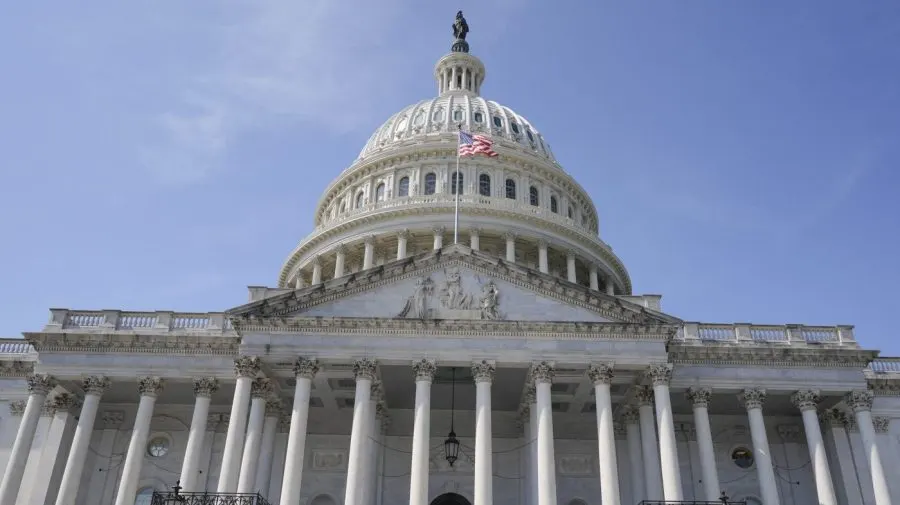
A US Air Force major who was previously arrested for protesting on the Capitol steps has been detained again after informing his commanders he would stop wearing his uniform. Major Jason Watson was placed in "pretrial confinement" on Tuesday, according to the Air Force, shortly after publicly defending his call for President Trump's impeachment in…
- Air Force Major Jason Watson detained again after impeachment protest remarks
- He faces possible UCMJ charges for contempt and disobeying orders
- Attorney warns of potential jail time and military discharge
Both sides, in good faith
The strongest fair case each way — we don't pick a winner.
The case for
Those defending the Air Force's actions point to longstanding military law that bars active-duty service members, and especially officers, from public political activism while in or out of uniform, precisely to keep the armed forces non-partisan and under civilian control. They argue that a major publicly agitating for a sitting president's removal crosses a clear line the Uniform Code of Military Justice exists to police, and that pretrial confinement signals the seriousness with which the chain of command must treat repeated violations, regardless of the officer's personal political views. Maintaining this norm, they contend, protects the military's credibility as an apolitical institution that serves whoever the public elects.
The case against
Critics of the detention argue that Major Watson is a citizen with constitutional free speech rights that do not simply vanish because he wears a uniform, and that his protest at the Capitol was a peaceful act of political conscience rather than any threat to order or discipline. They point to the unusual step of a second detention, including pretrial confinement, as disproportionate for an act of expression, and worry it could reflect political retaliation against a service member specifically because his target was the president, chilling legitimate dissent within the ranks. For them, the case raises real concerns about whether military discipline codes are being applied even-handedly or selectively to punish unwelcome political speech.