Business news and discussion on TalkFuse.
Airline wars heat up as economy seats continue to shrink — here’s what you need to know
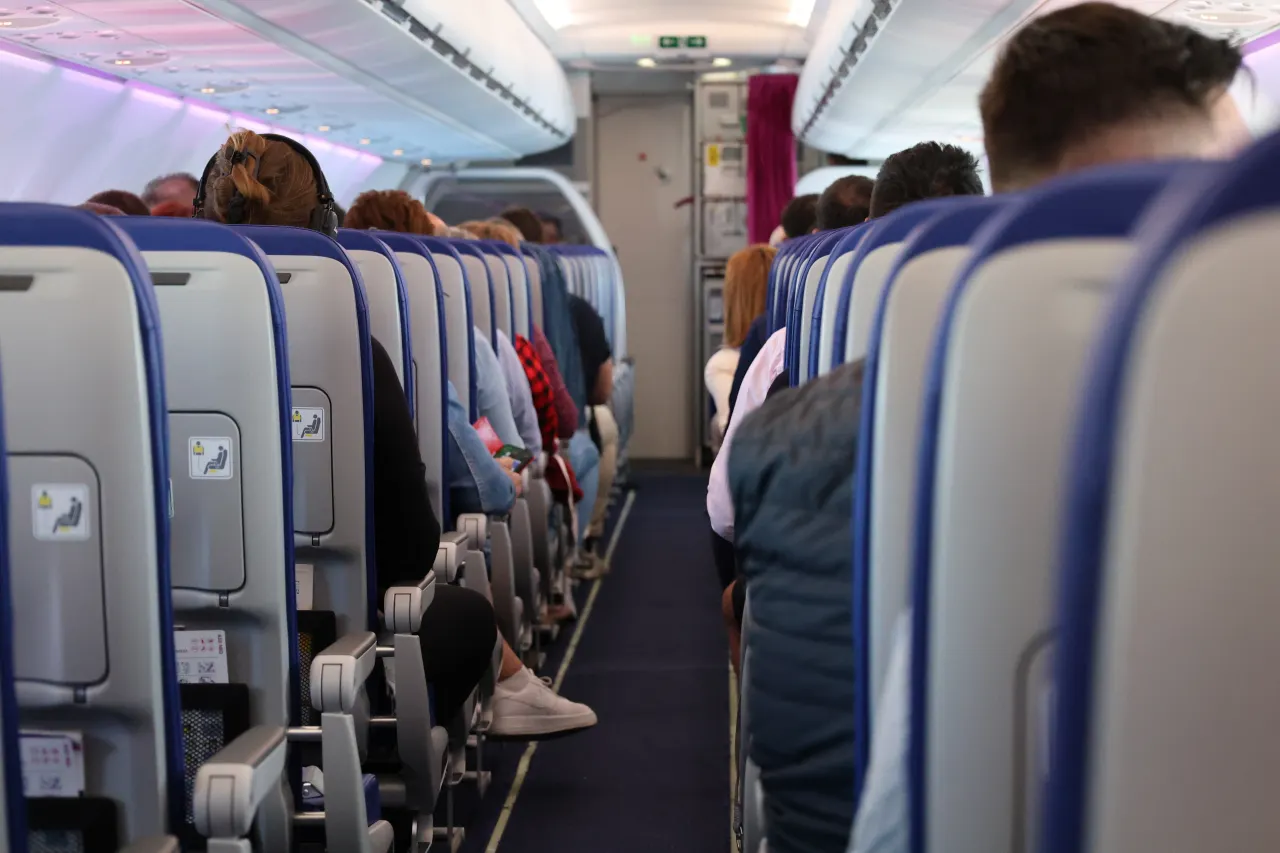
Airlines are facing growing passenger frustration as economy seats on some aircraft shrink to 17 inches across. A survey by The Points Guy and YouGov found that travellers have less patience for declining etiquette and armrest disputes, and many are airing their grievances on social media. The issue matters because it is fuelling clashes over shared space and prompting carriers to rethink their seating policies.
A Reddit post criticising a larger seatmate was upvoted more than 4,000 times. Its author said they had been seated beside a larger passenger on six of eight flights and had to keep a shoulder and leg in the aisle. Etiquette expert Jacqueline Whitmore advised travellers to request an aisle seat and to speak up before the doors close, though seat swaps are rarely possible on full flights. In July, United Airlines introduced an economy option on its Airbus A321XLR offering extra elbow room and a shared table across an open middle seat, and it expects to be the only airline offering it. Several carriers require passengers who cannot fit within one seat with the armrests down to buy a second seat, and a Southwest policy of this kind sparked similar debate in March.
In short
- Some economy seats now measure just 17 inches across.
- Passengers are increasingly voicing frustration over armrests and personal space.
- United is offering extra elbow room on its new A321XLR.
- Several airlines require a second seat for passengers who cannot fit in one.
Steelman: both sides, in good faith
The strongest fair case each way — we don't pick a winner.
The case for
Airlines argue that denser cabins allow them to keep fares affordable for the many passengers who prioritise price, and that seat width and pitch are commercial decisions made within safety rules. Supporters of existing policies, including requirements that passengers who cannot fit within one seat with the armrests down buy a second, say these protect the comfort of the majority and apply one standard to everyone. They also point to options such as United's extra-legroom A321XLR cabin as evidence that the market already offers choice, letting those who value space pay for it.
The case against
Critics contend that shrinking seats shift the cost of space onto passengers who never agreed to give it up, turning a basic service into one where comfort must be bought separately. They argue that no traveller should be forced to pay twice or feel stigmatised because of an industry decision about seat dimensions, and that people with disabilities or medical needs often have no practical way to avoid cramped seating. Their deeper concern is fairness: policies should address the cabin design that causes the friction, rather than placing responsibility on individual passengers who have little control over it.