Science news and discussion on TalkFuse.
Al Gore says climate change supporters ‘keep quiet’ about their beliefs for fear of retaliation
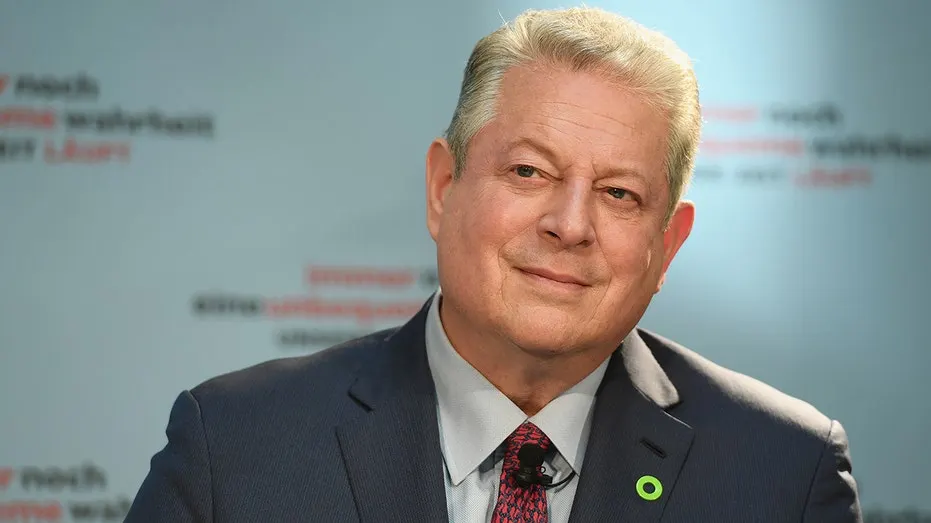
Al Gore said many people who support action on climate change are keeping quiet about it for fear of political backlash, a practice he compared to “greenhushing”. Speaking on CNN as his documentary *An Inconvenient Truth* reached its 20th anniversary, he argued that public concern remains and predicted the reticence would change after the midterm election.
Climate change ranked near the bottom of voters’ priorities in polls ahead of the November 2026 midterms: a Gallup poll found 29% considered it extremely important and 17% very important, while a Fox News poll found 1% named it the country’s top issue. Democratic strategist Doug Schoen said climate change would matter in the party’s 2028 presidential primary; consultant Julian Epstein cautioned that policies perceived to raise energy prices could lose working-class support.
In short
- Gore says climate supporters are staying quiet for fear of backlash.
- Polls placed climate change low among voters’ midterm priorities.
- Democratic strategists disagree on how the issue will shape 2028.
Steelman: both sides, in good faith
The strongest fair case each way — we don't pick a winner.
The case for
Gore’s argument is that low polling priority does not mean public concern has disappeared: people may avoid voicing support for climate action when they expect political or social backlash. If that silence distorts what leaders hear, speaking openly could help voters and policymakers recognise the scale of concern and sustain action on a long-term risk.
The case against
The polling suggests climate change is not a leading concern for many voters, so describing quiet support mainly as fear of retaliation may overstate what is driving people’s public priorities. A thoughtful critic could argue that climate policies must also address immediate costs, especially energy prices, because measures seen as burdening working-class households may lose support and weaken the case for durable action.
Explained simply
Al Gore is a former US vice-president who has spent decades campaigning on climate change. His 2006 film An Inconvenient Truth brought the issue to a wide audience by explaining how human activity contributes to global warming.
In the United States, views on climate policy are shaped by political divisions and concerns about the cost of energy. Some people and organisations may avoid speaking publicly about their support for climate action if they fear criticism or other consequences, a practice sometimes called “greenhushing”.
The issue competes with other concerns when voters decide what matters most. It also presents political parties with a challenge: climate policies can appeal to people who want action, while proposals seen as increasing household costs may draw opposition.
Climate Elections Government Politics Science World