Australian produce tests find pesticide residues and PFAS in 44% of samples
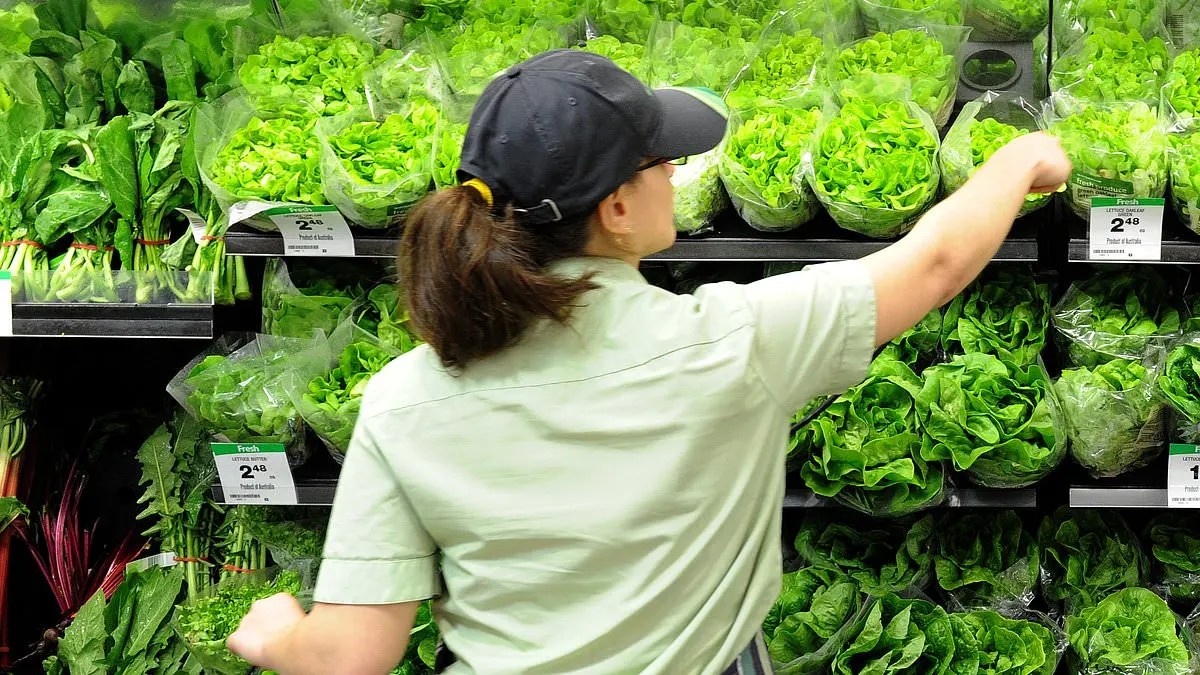
Pesticide Action Australia says its 2026 report found pesticide residues, including chemicals linked to health concerns, in fruit and vegetables bought from Coles, Woolworths and Aldi. The findings have renewed debate about food safety and whether Australia’s pesticide rules and residue monitoring adequately protect consumers.
The group tested 78 samples across 13 types of produce, bought in five Australian cities in June. It reported 201 residue detections involving 54 pesticides; about 44 per cent of samples contained at least one PFAS chemical, and four pesticides exceeded Australian maximum residue limits. The regulator said suspected breaches should be referred to state or territory authorities for investigation.
- Pesticide residues were detected in supermarket produce samples.
- About 44 per cent contained at least one PFAS chemical.
- Four pesticides reportedly exceeded Australian residue limits.
New here? Start with this
When farmers use pesticides to protect crops, chemical traces called residues can remain on fruit and vegetables. Australia sets maximum residue limits for these chemicals, which authorities believe are safe for consumers. Food suppliers monitor produce to ensure it meets these standards before reaching shops.
PFAS are industrial chemicals sometimes called "forever chemicals" because they persist in the environment and in human bodies for a very long time. Some pesticides and food packaging materials contain PFAS, meaning people may consume small amounts through the food they eat. Scientists have expressed concerns about PFAS based on research suggesting potential health risks from exposure.
Food safety in Australia is managed through federal regulations enforced by state and territory authorities, with testing programmes designed to catch unsafe produce. Ongoing debate about pesticide use reflects disagreement over whether current safety limits adequately protect consumers, particularly as scientific evidence about potential risks evolves. This tension between agricultural practice and consumer health protection continues to shape discussions about food safety standards.
Both sides, in good faith
The strongest fair case each way — we don't pick a winner.
The case for
The detection of residues in 44 per cent of samples, with some exceeding legal limits, suggests Australia's current regulatory framework and monitoring are insufficient to protect consumers. The widespread presence of PFAS—chemicals increasingly linked to serious health concerns and known to persist and accumulate in the environment—is particularly troubling, indicating that current maximum residue limits and enforcement are not adequately controlling pesticide use and warranting more stringent standards and enhanced monitoring.
The case against
The presence of residues does not indicate unsafe food or regulatory failure; Australia's maximum residue limits are scientifically established far below levels known to cause harm, and detected residues are typically well below such thresholds. The regulatory system is functioning as designed by identifying breaches and referring them for investigation, which is how proper oversight operates. A single test of 78 samples provides limited evidence, and occasional detections are normal in any monitoring programme; the appropriate response is targeted enforcement rather than wholesale system overhaul.
Business Markets Research Science World
Read the full article at the source →
Originally published by Daily Mail as “Alarming discovery in supermarkets after toxic pesticides and forever chemicals found in Aussie fruit and vegetables”.