Science news and discussion on TalkFuse.
Alarming map reveals how hot Australia will get during the ‘super El Niño’ as experts warn hundreds could die
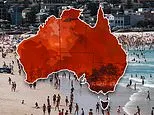
Scientists from the Climate Impact Lab have forecast that approximately 260 additional heat-related deaths will occur across Australia between September and February due to a powerful "super El Niño" weather event that will push temperatures around 1.2°C above normal. This phenomenon is expected to prove catastrophic on a global scale, with researchers predicting 451,000 additional deaths worldwide in the first nine months, with particularly severe impacts projected for developing nations in Africa, Asia and South America. The event has prompted warnings that this unusually warm weather will expose populations to temperatures resembling those projected to become normal in approximately two decades, necessitating urgent adaptation measures before climate change becomes more widespread.
Within Australia, New South Wales is expected to bear the heaviest burden with nearly half the forecasted deaths, whilst Queensland will see 61 additional deaths, Western Australia 72 deaths, South Australia 12 deaths and the Northern Territory 3, though Victoria is projected to experience a net decrease of 13 deaths. Globally, Nigeria alone faces an estimated 31,400 deaths, with Indonesia forecasted to lose 19,300 people, Sudan 17,500, India 15,800, and Brazil 13,300 in the period from September to February. The Bureau of Meteorology indicates the El Niño event could become the strongest on record and may persist through spring 2027, bringing 44 per cent more extremely hot days than typically expected; experts have recommended emergency funding redirection, enhanced heat warnings, cooling centres, hydration stations and worker protections to mitigate mortality.
In short
- Super El Niño expected to cause 260 additional heat deaths in Australia
- Global forecasts predict 451,000 extra deaths; poorest nations hit hardest
- Event could be strongest on record; experts urge urgent adaptation measures
Explained simply
El Niño is a natural climate pattern in which unusually warm water in the Pacific Ocean alters weather around the world. It can raise temperatures and change rainfall patterns, although its effects differ by place. Climate change is also raising average temperatures, making extreme heat more likely.
Heat can cause serious illness and death, especially among older people, those with health conditions, and people without access to cool places. Governments and health services use heat warnings, emergency plans and cooling facilities to reduce the risks. Researchers estimate the added health impact by comparing deaths during unusually hot conditions with what would be expected in more typical weather.
Australia’s states and territories can face different levels of heat risk because of their climate, population and access to services. The effects matter beyond Australia too: many countries have fewer resources to protect people from extreme heat, and hotter conditions can put additional pressure on health services and communities.
Climate Research Science World