Politics news and discussion on TalkFuse.
Alaska judge rules a request by Peltola campaign for ballot data in Senate race is ‘not reasonable’
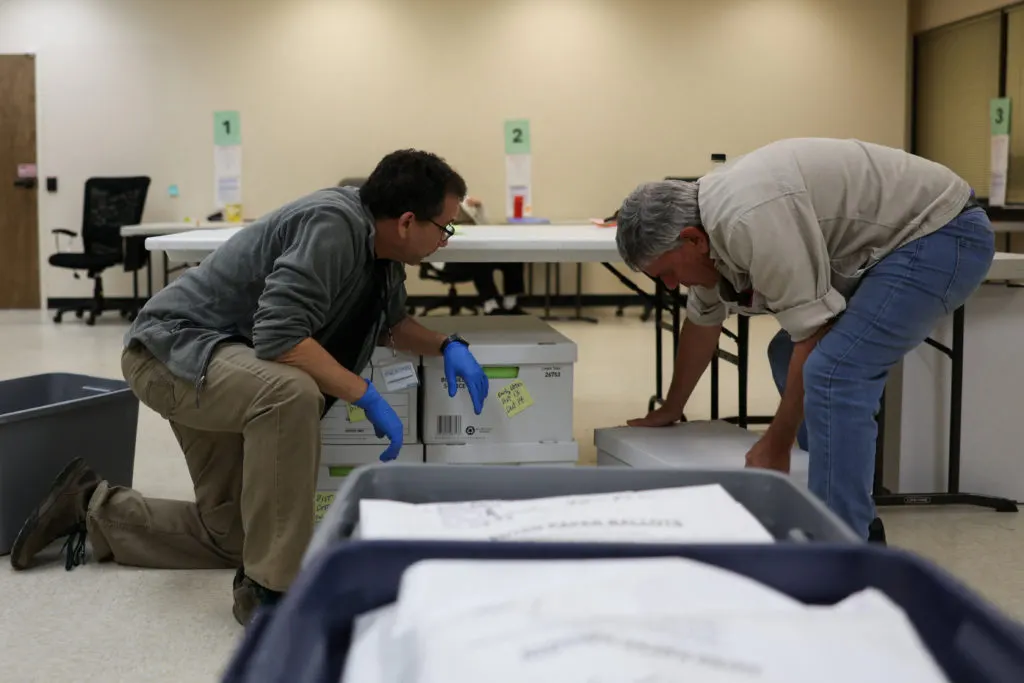
An Alaska judge has rejected Mary Peltola’s campaign request for a list of absentee voters whose ballots were rejected, ruling it was not reasonable to produce during the ongoing count. The decision leaves election officials focused on counting ballots in a Senate race that remains too close to call.
Peltola’s campaign said it wanted the information to help ensure qualified voters’ ballots were counted; the state argued the records could expose private voter information and take staff away from election duties. Judge Thomas Matthews said the database could not produce a suitably redacted list in time. Alaska accepts some overseas ballots until 18 November, and officials aim to conduct ranked-choice tabulations that day if no candidate gets more than half of first-choice votes.
In short
- Judge rejects Peltola campaign’s request for rejected ballot data.
- Alaska’s Senate race remains too close to call.
- Overseas ballots may arrive until 18 November.
Steelman: both sides, in good faith
The strongest fair case each way — we don't pick a winner.
The case for
The campaign’s request can be defended as an effort to check that eligible voters are not wrongly excluded in a close election. Timely access to information about rejected absentee ballots could help identify errors while there is still a chance to address them, supporting transparency and voters’ confidence in the result.
The case against
The state’s position can be defended on privacy and operational grounds: a list of rejected ballots may reveal sensitive information, and preparing a safely redacted version during an active count could divert staff from election work. If officials cannot produce a suitable list in time, refusing the request may protect voter privacy and allow the count to proceed without avoidable disruption.
Explained simply
Alaska elects its US senators statewide, and Mary Peltola is a former member of the US House who is involved in this closely watched Senate contest. The state uses ranked-choice voting: voters rank candidates, and if no one wins a majority of first-choice votes, lower-ranked candidates are eliminated and votes are redistributed.
Absentee ballots let people vote away from a polling place, including Alaskans living overseas. Election officials must check these ballots against voting rules, and some may be rejected; the campaign sought a list of those voters to help check that eligible votes were included. The dispute involves how to scrutinise ballot decisions while protecting voters’ personal information and allowing the count to continue.