Politics news and discussion on TalkFuse.
Alaskans are waiting for more votes in Senate and governor’s races. Both could go to ranked tabulations
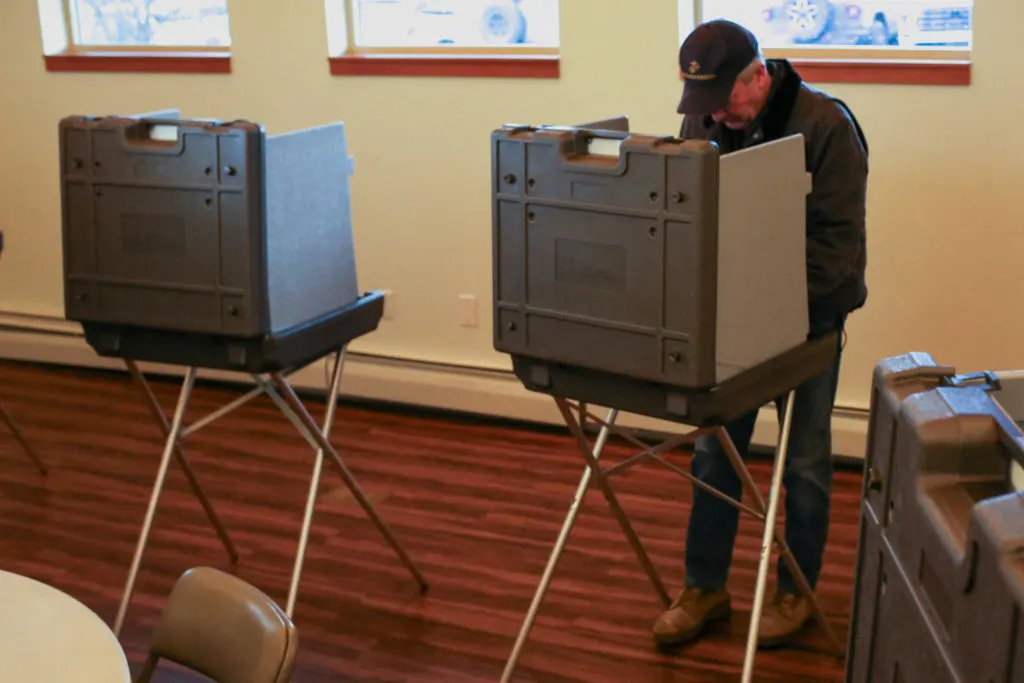
Alaskans are waiting for more ballots to be counted in closely watched Senate and governor’s races, with both contests potentially heading to ranked tabulations if no candidate wins more than half of first-choice votes. A ballot measure to repeal the state’s open-primary and ranked-choice system is also too early to call.
Republican Senator Dan Sullivan is facing Democrat Mary Peltola, while Democrat Jonathan Kreiss-Tomkins is competing with three Republicans for the open governor’s seat. Alaska accepts overseas ballots for up to 15 days after Election Day and domestic absentee ballots for up to 10 days; state officials are targeting 18 November for ranked tabulations. A federal judge dismissed a Justice Department lawsuit seeking to block certification of the Senate race, and the department has appealed.
In short
- Alaska is still counting ballots in two major races.
- Both contests could require ranked tabulations.
- Overseas ballots can arrive for up to 15 days.
Steelman: both sides, in good faith
The strongest fair case each way — we don't pick a winner.
The case for
Supporters of ranked-choice voting argue that requiring a majority after preferences are counted can produce a winner with broader support than a simple plurality, while allowing voters to choose their preferred candidate without worrying as much about splitting a similar-minded vote. They may also see Alaska’s ballot-counting timetable as a legitimate way to include eligible overseas and absentee voters before certifying close contests.
The case against
Critics argue that ranked tabulations make election outcomes harder to follow and can delay a clear result, especially when races are close and ballots arrive over several days. They may favour simpler rules and faster certification, and view the pending repeal measure as a proper chance for voters to decide whether the open-primary and ranked-choice system serves the state well.
Explained simply
Alaska elects its governor and US senator in statewide contests. The senator represents Alaska in the US Senate, while the governor leads the state government; Dan Sullivan is the Republican senator seeking another term, and Jonathan Kreiss-Tomkins is a Democrat running for the open governor’s seat.
Alaska uses open primaries, in which candidates from different parties compete together, followed by ranked-choice voting in general elections. Voters can rank candidates in order; if nobody wins more than half of first-choice votes, lower-ranked candidates are eliminated and their votes transferred according to voters’ next choices.
The system was adopted by voters in 2020, and a ballot measure seeks to repeal it. Its future matters because it shapes how state and federal candidates are chosen, and ranked tabulations can affect who ultimately wins a close race.