World news and discussion on TalkFuse.
Albanese, as Aussies brace for another rate rise while you’re overseas, stop leaving Chalmers to carry the can: PETER VAN ONSELEN
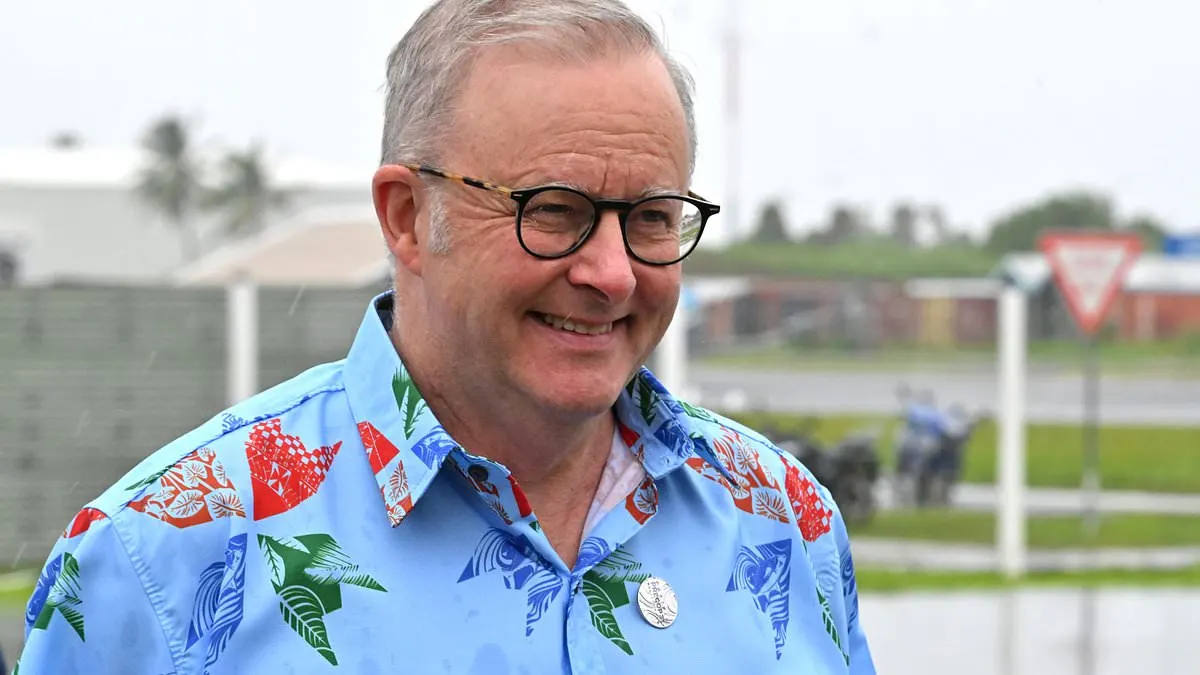
Anthony Albanese is attending a Commonwealth leaders’ summit in Antigua and Barbuda as Australians await an interest-rate decision that markets widely expect to bring a 0.25 percentage-point rise. The article argues that Treasurer Jim Chalmers is being left to explain the pressure on household budgets, even though the Prime Minister has authority over government spending and bears ultimate responsibility for the government.
Australia’s annual inflation rate was 4.3 per cent in September and underlying inflation was 3.6 per cent, both above the Reserve Bank’s 2–3 per cent target band; an international energy shock has also pushed inflation higher across G7 economies. Federal payments fell to 24.3 per cent of GDP in 2022–23, then rose to 26.2 per cent in 2024–25, with 26.8 per cent forecast this financial year. The article says Chalmers should answer for the spending choices in his budgets, while Albanese should not avoid responsibility for the government’s broader economic decisions.
In short
- Markets widely expect Australia’s cash rate to rise by 0.25 percentage points.
- Albanese is overseas as Chalmers faces questions about household costs.
- The article links renewed spending growth to pressure on interest rates.
Steelman: both sides, in good faith
The strongest fair case each way — we don't pick a winner.
The case for
The Prime Minister leads the government and has authority over its overall spending choices, so he should share responsibility for explaining how those decisions affect inflation and household budgets. With inflation above the Reserve Bank’s target and payments rising as a share of GDP, Albanese’s absence during a consequential rate decision can reasonably look like an avoidance of accountability.
The case against
The Treasurer is responsible for developing and presenting the budget, so it is reasonable to expect Chalmers to explain the government’s fiscal choices and their economic effects. Inflation also reflects factors beyond either minister’s control, including an international energy shock, while attending a Commonwealth summit is part of the Prime Minister’s duties; his absence alone does not show he is evading responsibility.