Albania protests turn violent amid growing anger at government
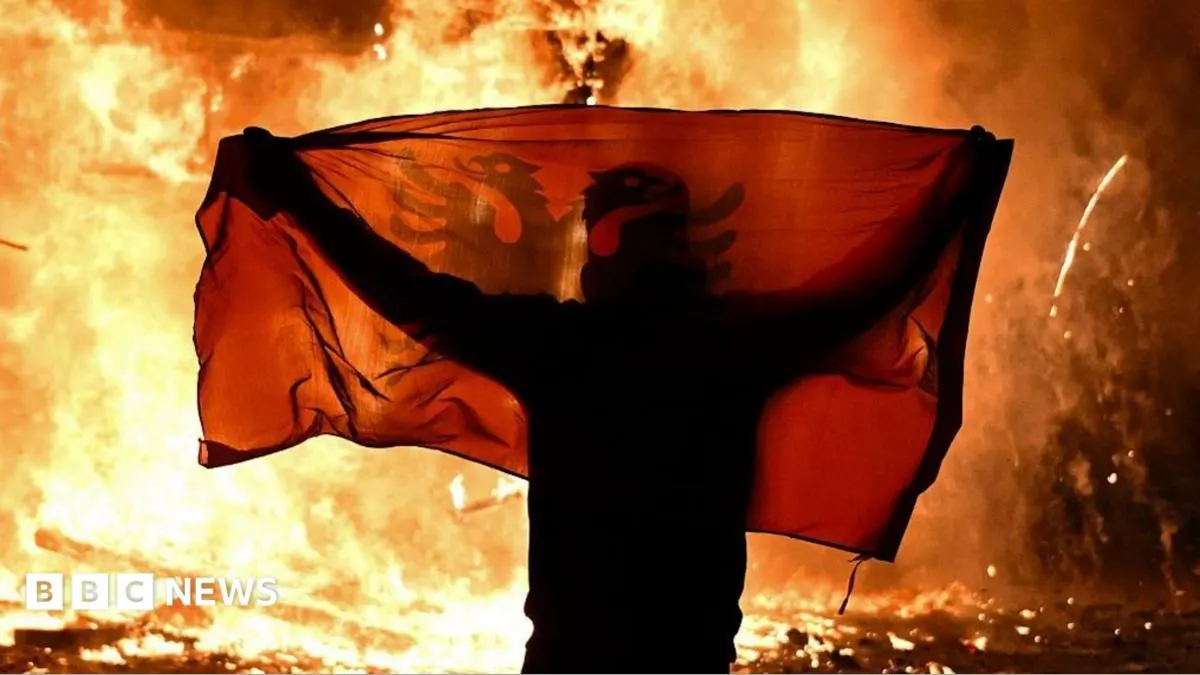
Four days of large protests in Albania have turned violent, with demonstrators and anti-riot police clashing in several cities. The unrest has damaged government buildings and businesses, raising concern about political stability in a country seen as a leading candidate for EU membership.
The demonstrations were announced as a student movement over education costs and the rising cost of living, with secondary school pupils joining. They follow months of mostly peaceful “Flamingo” protests calling for Prime Minister Edi Rama to resign, initially over a luxury resort proposal linked to Jared Kushner and amid corruption allegations. Protesters say the current unrest grew out of frustration that earlier demonstrations were ignored; dozens of police have been injured.
- Protests have spread across Albania and turned violent.
- Students cite education costs and the rising cost of living.
- Months of anti-government demonstrations preceded the clashes.
Both sides, in good faith
The strongest fair case each way — we don't pick a winner.
The case for
Supporters of the protests can argue that peaceful demonstrations had failed to prompt a response to concerns about education costs, living costs and alleged corruption, leaving public protest as an important way to demand accountability. They may see the clashes as arising from accumulated frustration and believe that visible pressure is needed to make the government listen.
The case against
Critics can argue that damaging public buildings and businesses, and injuring police, undermines the legitimacy of the protests and harms people who are not responsible for the disputed policies. They may favour continued peaceful campaigning and formal political channels, particularly when Albania’s stability and progress towards EU membership could be affected by escalating unrest.
Art Celebrity Culture Entertainment Government Middle East Politics World
Read the full article at the source →
Originally published by BBC World as “Albanian protests turn violent: What we know”.