Health news and discussion on TalkFuse.
Alexander brothers allegedly paid for coverage of sex-trafficking trial as writers deny favorable treatment
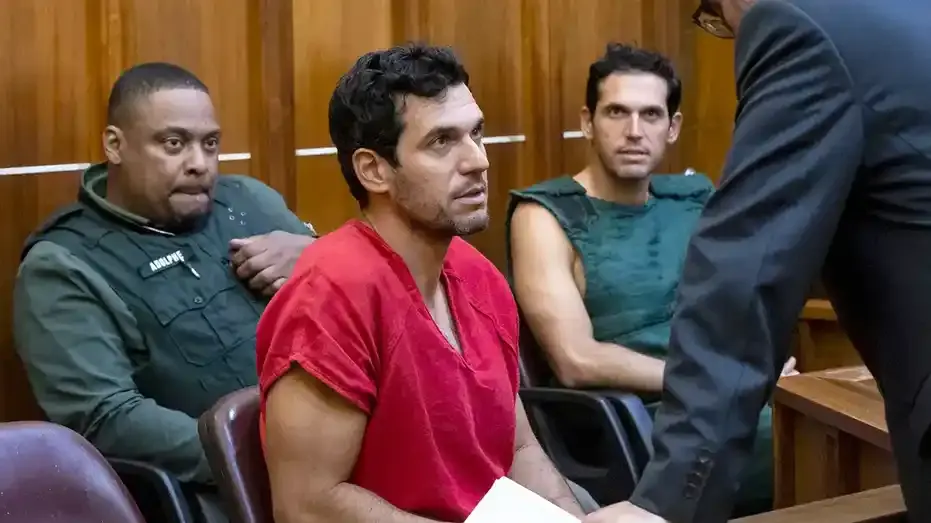
Three brothers, Tal, Oren and Alon Alexander, were convicted of sex-trafficking offences and sentenced to 30 years in prison each. The article reports allegations that two independent journalists accepted money to publish favourable coverage of their trial, raising questions about how the defence sought to shape public understanding of the case.
Writer Daniel Mael denies receiving $15,000 for sympathetic posts, while publisher Frank Parlato did not discuss whether he was paid; both say their work was independent. The brothers’ publicist, Juda Engelmayer, said he contacted journalists to ensure the defence perspective was heard and that he helped subsidise coverage. Mael’s trial updates also described evidence damaging to the defence, including a text referring to “taking down” a 17-year-old.
In short
- The Alexander brothers received 30-year prison sentences.
- Two writers deny allegations of paid favourable coverage.
- The publicist says he sought to include the defence perspective.
Steelman: both sides, in good faith
The strongest fair case each way — we don't pick a winner.
The case for
The defence and its supporters can argue that paying for independent reporting helped make sure their account was heard in a trial receiving intense attention, where public coverage might otherwise have focused mainly on the prosecution. A publicist may reasonably seek to broaden the range of reporting, and payment alone does not prove that a journalist surrendered editorial independence, particularly when some coverage included evidence damaging to the defence.
The case against
Critics can argue that secretly subsidising ostensibly independent trial coverage risks misleading readers about who is shaping the narrative and undermining confidence in journalism. Even if the writers say they retained control, undisclosed payments tied to favourable coverage create a conflict of interest and can blur the line between reporting and paid advocacy, especially in a serious trafficking case.