Entertainment news and discussion on TalkFuse.
Alfred Hitchcock “deliberately deprived” an actor “of her dignity and glamour”. He thought he was doing her a favour
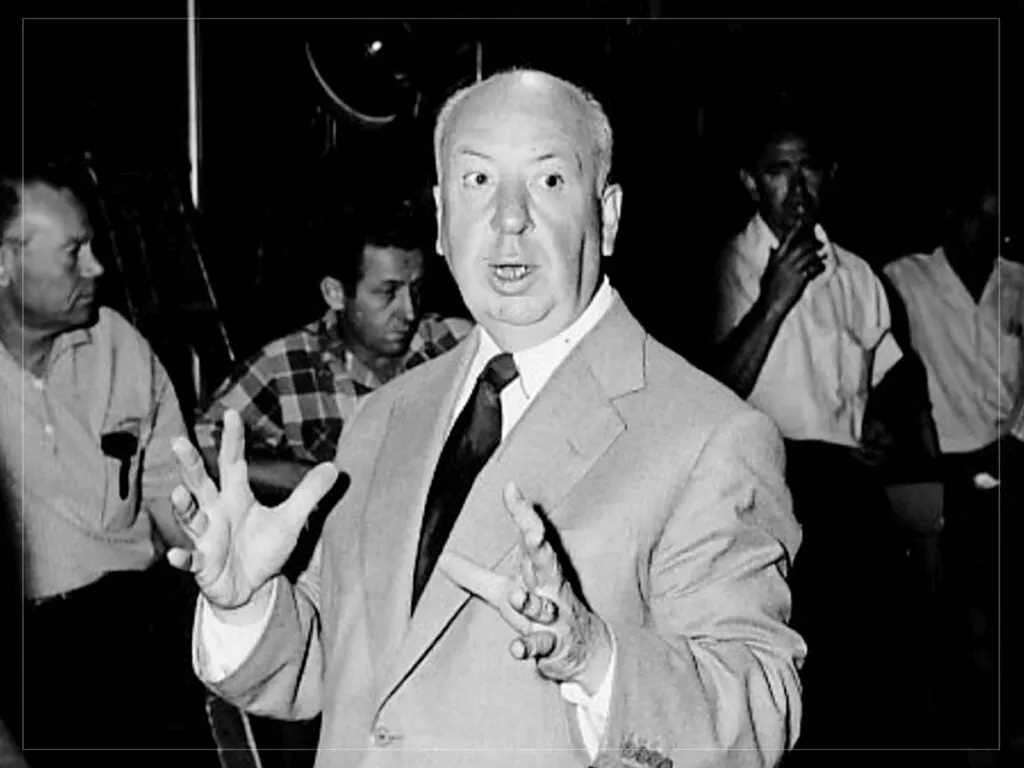
Alfred Hitchcock’s treatment of women on and off screen is under renewed scrutiny through accounts of his work with actor Madeleine Carroll. While Hitchcock’s films remain widely admired, his comments and reported conduct show how he used his authority to control and humiliate actresses, raising questions about the cost behind his filmmaking methods.
During production of the 1935 thriller *The 39 Steps*, Hitchcock reportedly handcuffed Carroll and co-star Robert Donat together, then left them without the key for hours. He later said he had deliberately stripped Carroll of her dignity and glamour, arguing that actresses should appear more human and less beautiful; he applied similar treatment to her in *Secret Agent* (1936). The article also cites Tippi Hedren’s later accounts of his advances and controlling behaviour, and Kim Novak’s reports of discomfort and harsh criticism.
In short
- Hitchcock said he deliberately took dignity and glamour from Madeleine Carroll’s roles.
- Carroll and Robert Donat were reportedly left handcuffed together for hours.
- His films’ acclaim coexisted with accounts of controlling treatment of actresses.
Steelman: both sides, in good faith
The strongest fair case each way — we don't pick a winner.
The case for
A thoughtful defence of Hitchcock’s methods would argue that he used visual contrast and physical constraint to make performances feel less polished and more human, serving the artistic aims of his films. In an era with different production norms, he may have believed that challenging an actress’s glamour could help her inhabit a role and strengthen the story.
The case against
A strong criticism is that an artistic aim does not excuse using a director’s authority to humiliate or control actors, especially when they were left handcuffed without a key for hours. Deliberately stripping an actress of dignity treats her as a tool for the director’s vision, and the accounts of other actresses suggest a broader pattern that warrants scrutiny.
Explained simply
Alfred Hitchcock was a British film director whose thrillers, including The 39 Steps, made him one of the most influential filmmakers of the 20th century. Madeleine Carroll was a leading actor in the 1930s who worked with him on that film and Secret Agent.
A director has considerable control over how actors work and appear on screen. Accounts of Hitchcock’s treatment of Carroll and other actors have raised questions about how he used that authority, and about the pressures actors faced in the film industry.