Alice Roberts: ‘By the time I’d finished Richard Dawkins I’d left faith behind’
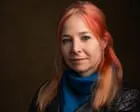
The Guardian's regular books interview series features TV presenter and biologist Alice Roberts discussing the books that have shaped her life, from childhood favourites to works that influenced her professional and personal outlook. She reveals how reading Richard Dawkins's evolutionary biology books as a teenager, particularly The Selfish Gene and The Blind Watchmaker, both deepened her scientific understanding and led her to abandon the Anglican faith she was raised in, ultimately embracing humanism.
Roberts traces her reading journey from Sheila K McCullagh's Village with Three Corners series and Arnold Lobel's Frog and Toad stories in childhood, through Alan Garner and Rosemary Sutcliff as a teenager, to Stephen Jay Gould's essays, which she credits alongside Dawkins for inspiring her scientific writing style. She also describes discovering George Eliot's Middlemarch only five years ago after Humanists UK chief executive Andrew Copson persuaded her to read it, and cites Darwin's On the Origin of Species as a book she repeatedly returns to for its narrative skill.
- Alice Roberts shares the books that shaped her life and career
- Dawkins's evolutionary biology books led her away from religious faith
- She discovered George Eliot's Middlemarch only in recent years
New here? Start with this
Alice Roberts is a British biologist, anatomist and television presenter, known for fronting science and history documentaries on the BBC. In this piece, part of a Guardian series where public figures talk about the books that shaped them, she reflects on her reading life from childhood to the present.
A recurring theme is science writing's role in shaping her outlook, particularly the work of Richard Dawkins, an evolutionary biologist whose books popularised ideas about genetics and evolution, and who is also known for arguing against religious belief. Roberts describes how reading his work as a teenager changed her thinking on faith, having been brought up within the Church of England, and how she has since become a supporter of humanism, a non-religious worldview centred on reason and human values.
The piece also touches on other writers who influenced her, including the scientist and essayist Stephen Jay Gould, the naturalist Charles Darwin, and the novelist George Eliot, giving a broader picture of the ideas and books that have informed her career as a scientist and communicator.
Americas Culture Entertainment Geopolitics Politics TV World