All 3 Jane Schoenbrun Movies, Ranked
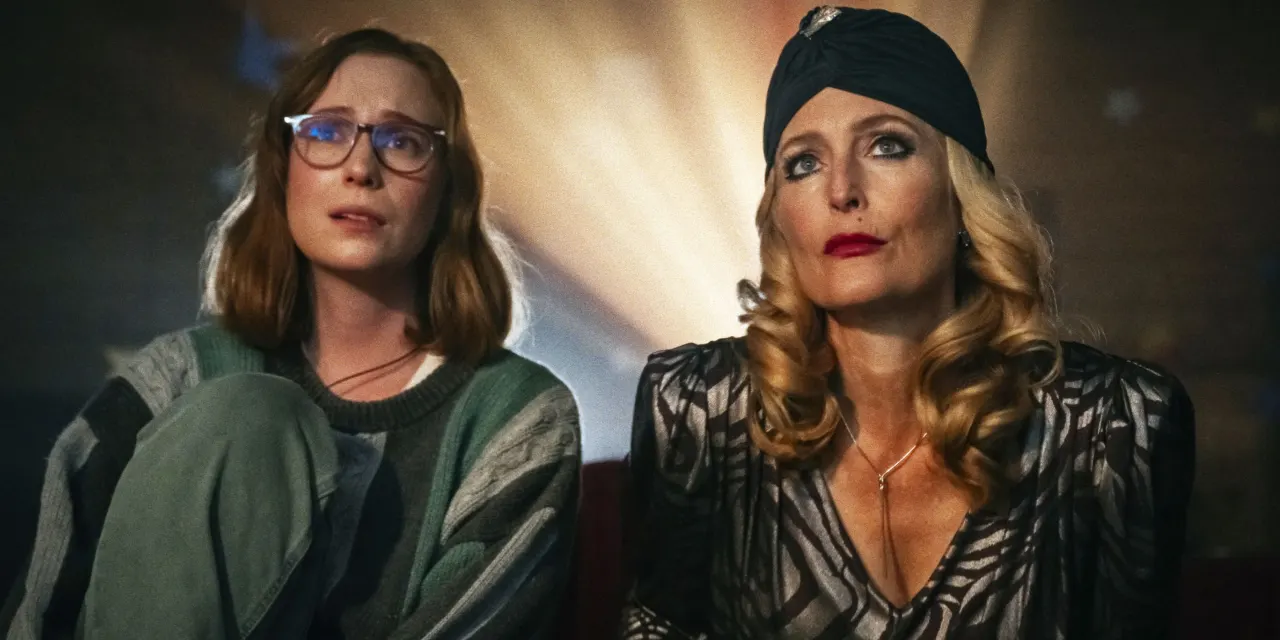
Collider ranks Jane Schoenbrun’s three feature films, presenting them as an emerging body of unconventional horror work united by themes of identity, alienation and media culture. The article argues that Schoenbrun’s films are visually bold, emotionally unsettling and deliberately difficult to categorise, making them distinctive within contemporary horror.
– 3. *We’re All Going to the World’s Fair* (2021): centred on Casey, a teenage girl drawn into increasingly strange online spaces and interactions. The film’s sparse cast and internet-mediated storytelling give it a pandemic-era feel, whether or not it was made during lockdowns.
- Schoenbrun’s films are ranked as inventive, identity-focused horror.
- *World’s Fair* places third in Collider’s list.
- Online isolation shapes its unsettling atmosphere.
New here? Start with this
Jane Schoenbrun is an American filmmaker whose feature films blend horror with stories about identity, isolation and life shaped by media. Their work often departs from familiar horror conventions, using unsettling images and unusual storytelling.
We’re All Going to the World’s Fair, released in 2021, follows Casey, a teenager who becomes involved in strange online spaces and interactions. Its small cast and focus on life mediated through the internet give the film a sense of solitude.
Schoenbrun’s films are part of a wider wave of horror that explores how people understand themselves and connect with others through media. That mix helps explain why their work can be difficult to place within a single genre.
Both sides, in good faith
The strongest fair case each way — we don't pick a winner.
The case for
Schoenbrun's films represent important contemporary cinema that meaningfully explores how identity and alienation manifest through digital culture and media. Her work employs formally bold, visually distinctive approaches that extend horror's expressive range, and the deliberately unsettling, difficult nature of these films captures genuine anxieties about mediated existence in ways conventional narratives cannot, making them artistically significant contributions worthy of serious critical engagement.
The case against
Whilst Schoenbrun's films are undeniably unconventional, it is fair to question whether their difficulty primarily serves meaningful artistic expression or functions more as aesthetic provocation. The films' critical acclaim may reflect consensus within cinema criticism circles rather than demonstrating broader cultural or artistic resonance, and the refusal of conventional narrative can register as obscurantism rather than substantive formal innovation, raising legitimate questions about distinguishing genuine artistic advancement from mere difficulty for its own sake.