“All the faders had been moved and knobs turned, despite the studio being locked and alarmed. Somebody – something – had moved everything”: Jethro Tull’s early 80s featured a haunted studio, nuclear evacuation cars on standby, and a tasteless stage trick
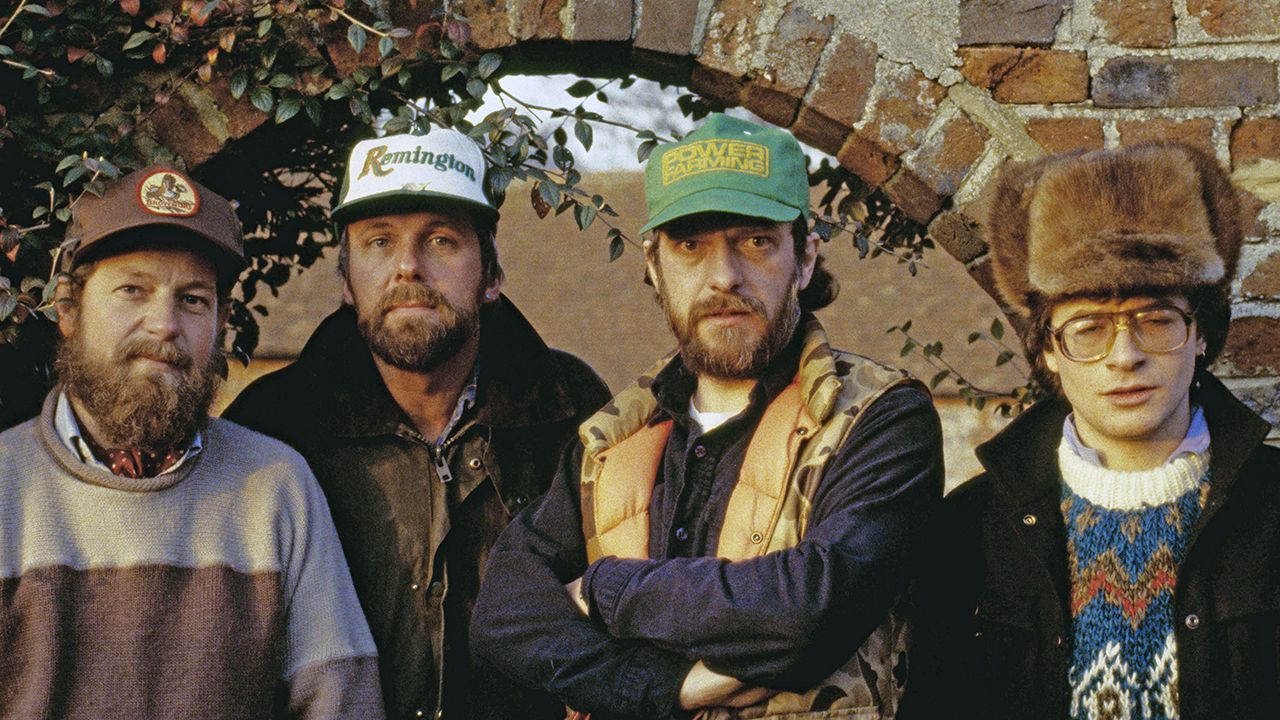
Ian Anderson has reflected on Jethro Tull's early-1980s transformation, a period in which the band embraced electronic instrumentation and navigated significant lineup changes. What began as Anderson's planned solo album, A, was released under the Jethro Tull name at his label's insistence, sidelining most of his longtime bandmates (aside from guitarist Martin Barre) following the death of bassist John Glascock, and ushering in a new, technology-driven chapter for the group.
The shift continued with 1982's The Broadsword And The Beast, which introduced keyboardist Peter-John Vettese and blended folk-rock with emerging tools such as programmable drum machines and sequencers, largely winning over fans due to its traditional, medieval-tinged framing. Anderson then pushed further into modernist territory with his true solo debut, Walk Into Light, made with Vettese, before returning to Tull for 1984's Under Wraps. Both Walk Into Light and Under Wraps have recently been reissued in remixed form.
- Ian Anderson revisits Jethro Tull's electronic-era albums from the early 1980s.
- Label pressure turned his solo album A into a Tull release.
- New reissues of Walk Into Light and Under Wraps prompted the retrospective.
New here? Start with this
Ian Anderson is the frontman and driving creative force of Jethro Tull, the British rock band best known for blending folk influences with progressive rock and Anderson's distinctive flute playing. By the start of the 1980s the band had been through years of lineup changes and shifting musical styles, having built a following since the late 1960s.
The early 1980s marked a particularly turbulent period. Bassist John Glascock died in 1979, several longstanding members left, and Anderson began experimenting with the electronic instruments then transforming pop and rock, such as synthesisers, drum machines and sequencers. An album Anderson intended as a solo project ended up being released under the Jethro Tull name instead, guitarist Martin Barre remaining as one of the few links to the band's earlier lineup.
This is the backdrop to Anderson now looking back on that era, including the band's move into more modern, technology-driven sound and the making of albums such as The Broadsword And The Beast and Under Wraps, some of which have recently been reissued.