All the policy pledges Andy Burnham has made after two weeks as prime minister
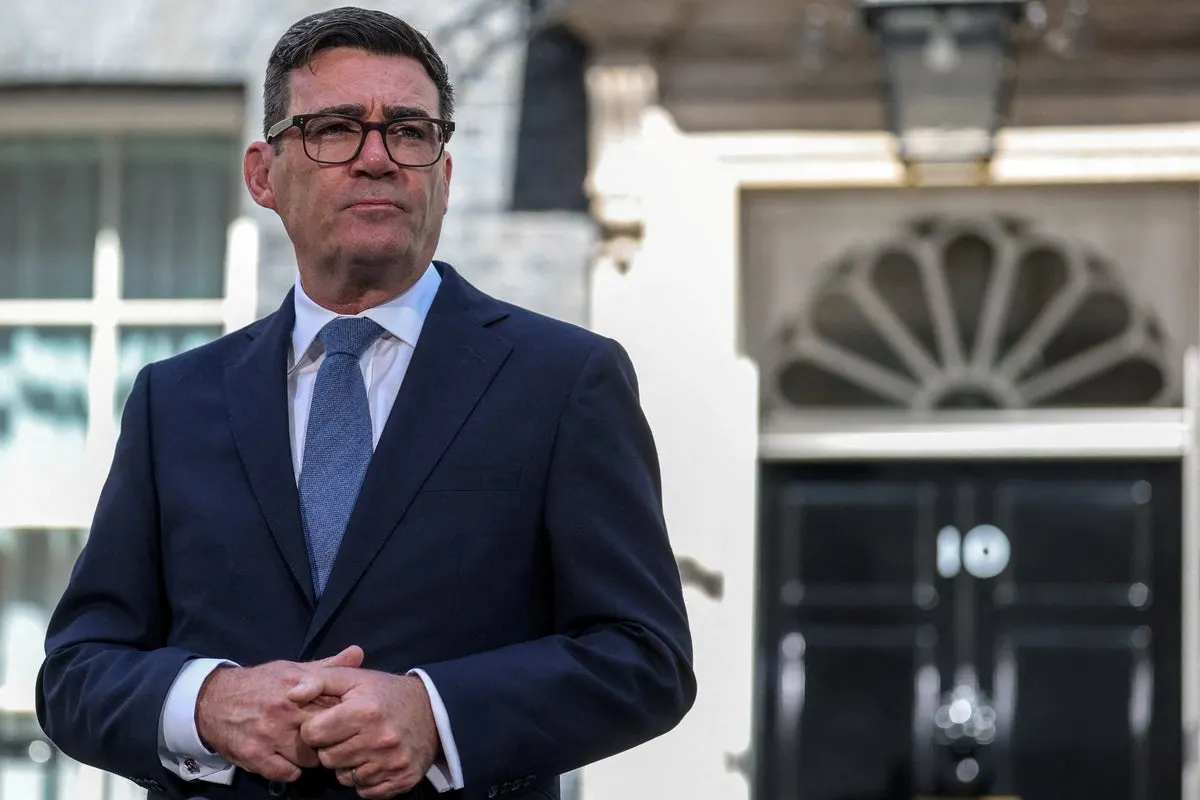
Andy Burnham has used his first fortnight as prime minister to roll out a rapid series of policy announcements spanning the cost of living, housing, transport and business support, in an apparent effort to signal a clear break from his predecessor, Sir Keir Starmer. The approach appears to be paying off politically, with Burnham's net approval rating reportedly reaching 19 points in a recent More in Common poll, surpassing any figure Starmer achieved while in office, though further detail on funding is expected when chancellor John Healey delivers his first Budget on 28 October.
Among the confirmed measures are the scrapping of VAT on household electricity bills from October, expected to save around £45 per household and costing roughly £850 million this financial year, funded by cancelling the planned Digital ID programme. Burnham has also reinstated the £2 bus fare cap, pledged £340 million to help end rough sleeping by providing 1,200 homes and support for at least 3,000 long-term rough sleepers, announced a 20 per cent cut to business rates for pubs, clubs and music venues from April, and proposed establishing a "Number 10 in the North" office in Manchester. Experts have warned that funding these commitments could ultimately require tax rises.
In short
- Burnham unveils flurry of policies in first two weeks as PM
- Approval ratings surpass Starmer's, hitting net +19 points
- Budget on 28 October will reveal how pledges are funded
Steelman: both sides, in good faith
The strongest fair case each way — we don't pick a winner.
The case for
These policies directly address acute crises—households struggling with energy costs, rough sleepers facing dangerous conditions, cultural venues closing, and stark regional inequality. Burnham is demonstrating the decisive action voters clearly wanted, as evidenced by his approval ratings exceeding his predecessor's. The focus on cost of living relief, homelessness support, and community-centred business help reflects core values about protecting vulnerable populations and revitalising neglected regions.
The case against
These commitments lack transparent funding mechanisms and risk substantial future tax rises that could outweigh their benefits, suggesting governance by political convenience rather than careful planning. Before the budget is even announced, pledging £340 million to homelessness and business rates cuts whilst scrapping existing programmes raises questions about whether resources would deliver better outcomes if directed toward underfunded services like the NHS and social care where capacity gaps threaten public wellbeing at scale.
Explained simply
A prime minister leads the UK government, while the chancellor sets out how it will raise and spend money in the Budget. Andy Burnham’s pledges cover household bills, bus fares, housing for people sleeping rough and costs for some businesses; several would require public money or changes to planned government spending.
The measures affect different groups and services, from households and bus passengers to pubs, clubs and music venues. Their longer-term cost and funding are relevant because the government must balance these commitments against other spending and the taxes it collects.