Alleged rebel leader killed in Colombia as president targets armed groups
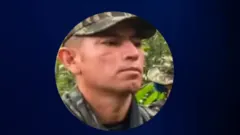
A man accused of leading a dissident rebel faction was killed alongside five other alleged armed group members in a Colombian military operation, days after new president Abelardo de la Espriella was sworn in with a pledge to crack down hard on illegal armed groups. The killing of Hernando Forero Mosquera, known as "El ruso", marks an early test of de la Espriella's combative "narco-terrorism" strategy, which he has framed as a sharp break from predecessor Gustavo Petro's failed "total peace" negotiation approach.
Forero allegedly led Frente 28, one of several dissident factions that emerged after the Farc's main body signed a 2016 peace deal, with holdout groups now largely funding themselves through cocaine trafficking and illegal mining. The operation in Meta province also killed three other alleged Frente 28 members, while a separate raid in Antioquia killed two suspected members of the Gulf Clan; de la Espriella said the action sent "a clear and powerful message" to armed groups. Rebel defiance followed swiftly, with a car bomb injuring two guards in Cauca and a police officer killed by a drone-dropped explosive in Cesar. The US, whose president Donald Trump backed de la Espriella's campaign, pledged $1bn (£740m) in security assistance and welcomed Colombia into its "Shield of the Americas" anti-trafficking alliance.
In short
- Colombian forces killed alleged rebel leader "El ruso" and five others
- New president de la Espriella vows tough crackdown on armed groups
- Bombings hit back within a day; US pledges $1bn in security aid
Steelman: both sides, in good faith
The strongest fair case each way — we don't pick a winner.
The case for
Supporters of the military crackdown argue that armed groups have repeatedly demonstrated through continued violence and trafficking that they reject genuine peace settlements; the previous negotiation approach failed to achieve its goals and effectively rewarded criminal organisations. They maintain that states must maintain a monopoly on violence to protect citizens from harm, and that allowing organised armed groups to operate with impunity invites further attacks. Strong military action sends a clear deterrent message whilst prioritising immediate security for civilians affected by trafficking and violence.
The case against
Those opposing the military-first approach contend that crackdowns without addressing root causes—poverty, inequality, lack of economic opportunity—typically entrench rather than resolve conflict and provide recruitment grievances for armed groups. They argue that whilst the negotiation process was slow and difficult, dialogue offers a genuine pathway to eventual disarmament and reduced bloodshed that military operations alone cannot achieve. Rather than treating symptoms, they favour investment in rural development, justice mechanisms, and sustained good-faith negotiations that, though gradual, offer longer-term stability than perpetual military cycles.
Explained simply
The Farc was Colombia’s largest rebel group before most of it signed a peace deal with the government in 2016. Some fighters rejected the deal and formed dissident factions, including Frente 28. These groups are accused of funding themselves through drug trafficking and illegal mining.
Colombia’s new president, Abelardo de la Espriella, has promised a forceful campaign against armed groups, replacing his predecessor Gustavo Petro’s attempt to negotiate with them. The government’s approach matters because violence by armed groups has continued despite the 2016 agreement, and efforts to tackle it affect security and peace across the country.