Allies of disgraced ex-House Dem poised for criminal charges for refusing Congress’ probe
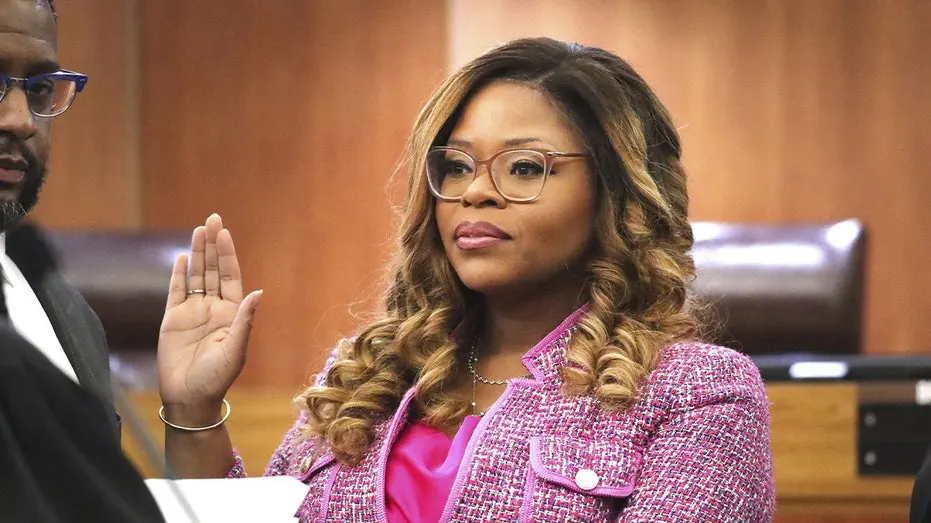
The US House of Representatives voted unanimously on Tuesday to hold two allies of disgraced former congresswoman Sheila Cherfilus-McCormick in contempt of Congress, after they refused to cooperate with a House Ethics Committee investigation into her conduct. North Miami Beach Mayor Michael Joseph and former Cherfilus-McCormick aide Hector Roos both ignored multiple subpoenas, prompting the House to refer their cases to the Department of Justice, which will now decide whether to pursue criminal charges. A contempt of Congress conviction carries a potential fine of up to $100,000 (£79,000) and up to a year in prison.
Committee chairman Michael Guest said Roos filed inaccurate reports with the Federal Election Commission and offered no adequate justification for non-compliance, while Joseph, whose company allegedly funnelled corporate funds improperly to Cherfilus-McCormick's campaign, cited attorney-client privilege, which lawmakers rejected as valid grounds. The vote passed by voice vote with no objections from either party. Cherfilus-McCormick, a Florida Democrat, resigned from Congress earlier in 2026 amid pressure from both parties after being indicted; prosecutors allege she and her brother conspired to steal $5 million in FEMA emergency funds via their family healthcare company and used the money to help finance her 2021 congressional campaign.
In short
- House unanimously holds two Cherfilus-McCormick allies in contempt of Congress
- DOJ will decide whether to bring criminal charges against them
- Comes after Cherfilus-McCormick resigned amid a $5m FEMA fraud indictment
Steelman: both sides, in good faith
The strongest fair case each way — we don't pick a winner.
The case for
Congress needs to be able to investigate alleged misconduct and obtain evidence from witnesses, including people outside government. Supporters of the contempt referrals can argue that repeated refusal to comply with subpoenas, without grounds the committee accepts, risks making oversight ineffective and that referral to the Justice Department leaves any charging decision to prosecutors.
The case against
Those facing contempt proceedings can argue that compelled testimony or documents may implicate legal rights, and that disputes over privilege should be resolved carefully rather than treated as defiance. Critics may also worry that criminal referrals tied to a politically charged investigation could deter witnesses or be used unfairly, making independent review by prosecutors and courts important.
Explained simply
The House of Representatives is one of the two chambers of the US Congress. Its Ethics Committee investigates alleged misconduct by House members and can issue subpoenas, which are formal demands for people to provide evidence or testimony.
Sheila Cherfilus-McCormick, a Florida Democrat, left Congress after being indicted over allegations that she and her brother diverted federal emergency funds and used some of the money to support her election campaign. An indictment is a formal criminal accusation; it does not establish guilt.
Michael Joseph, a local mayor, and Hector Roos, a former aide to Cherfilus-McCormick, were asked to cooperate with the committee’s inquiry but did not comply with its subpoenas. The House’s contempt referral asks the Justice Department to consider prosecution; the department decides whether to bring charges, and a court would determine guilt.