Sport news and discussion on TalkFuse.
Alveda King slams USA Today columnist for invoking Emmett Till in Caitlin Clark piece: ‘Pure race-baiting’
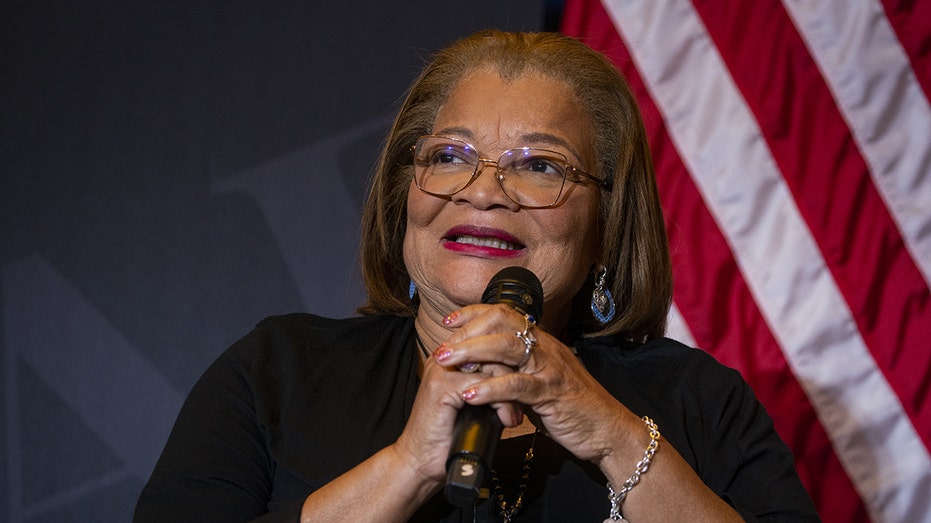
Alveda King, a civil-rights activist and niece of Martin Luther King Jr., criticised a USA Today column by sports writer Nancy Armour that discussed WNBA player Caitlin Clark and referenced Emmett Till. King described the comparison as “pure race-baiting”, while Fox News/OutKick presented the dispute as part of a wider backlash against the column. The row matters because it reflects continuing arguments over race, media coverage and the public treatment of Clark in women’s basketball.
King said she was not surprised by the article, citing her experience of seeing racial issues used provocatively in public debate. The article also noted criticism from other commentators, including Tyrus and Dave Portnoy, who objected to the Till reference; however, the supplied text does not include Armour’s full argument or a response from USA Today. Emmett Till was a Black teenager whose 1955 murder became a defining symbol of US racial injustice.
In short
- Alveda King condemned a Caitlin Clark column’s Emmett Till reference.
- Critics called the comparison inappropriate and racially provocative.
- The dispute highlights tensions over race and sports media coverage.
Steelman: both sides, in good faith
The strongest fair case each way — we don't pick a winner.
The case for
Emmett Till's 1955 murder was a specific, grave atrocity whose significance should not be diluted by casual invocation in other contexts. Invoking such profound injustices when discussing sports media coverage risks treating fundamentally different phenomena as equivalent and can feel disrespectful to victims and their legacies. There are meaningful concerns about proportionality in rhetoric: when serious historical traumas are regularly invoked as reference points for contemporary disputes, the language itself can become cheapened and less effective at combating actual injustice.
The case against
Sports journalism should analyse systemic patterns of racial bias in how players are covered, treated and discussed. Understanding contemporary racism requires historical context—showing how discriminatory patterns persist across eras and domains is not trivialisation but clarification. If a columnist believed media coverage of Caitlin Clark reflected broader racial bias, drawing connections to historical racism could be a legitimate way to illuminate structural patterns. Such analysis need not diminish specific historical atrocities whilst still naming how racism shapes institutions and discourse.
Explained simply
Emmett Till was a Black teenager whose 1955 murder became a powerful symbol of racial injustice in America. His case shaped the civil rights movement and remains deeply significant when racial issues are discussed publicly.
A sports columnist at USA Today recently published a piece about Caitlin Clark, a prominent women's basketball player in the WNBA, that made reference to Emmett Till. Alveda King, a civil rights activist and niece of Martin Luther King Jr., criticised the column, arguing that the reference was inappropriate.
The dispute reflects broader conversations about how race is discussed in sports journalism and how women's basketball players are covered publicly. It touches on larger questions about when and how references to historical racial injustices should be made in different media contexts.