World news and discussion on TalkFuse.
Amazon aims for delivery drones to reach 500 US neighborhoods by end of 2026
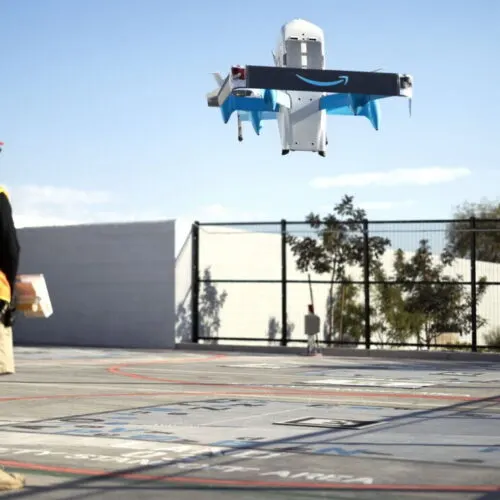
Amazon has announced plans to expand its Prime Air drone delivery service sixfold, aiming to cover nearly 500 US cities and towns by the end of 2026. The move, alongside similar expansions from rivals Walmart, Zipline and DoorDash, could bring fast drone deliveries to tens of millions more Americans, but is also expected to intensify concerns in communities over noise, safety and privacy as more drones take to the skies daily.
On 19 August, Amazon said it would soon launch Prime Air in Chicago, Cleveland, Atlanta, Syracuse and Boise, with further sites planned later in the year, adding to the 10 US cities it already serves across seven states. Each site covers roughly 175 square miles with delivery times of 30 to 60 minutes, though drones can carry only items up to five pounds and are grounded by strong winds, heavy rain, snow or extreme cold. Competitors are scaling up too: Walmart has passed 1 million drone deliveries via partners Wing and Zipline and aims to reach over 270 stores by 2027, Zipline has partnered with Uber targeting 1 million deliveries a day by 2029, and DoorDash has secured FAA certification for its own "DoorDash Air" programme. Amazon's safety record lags behind Zipline's, with several FAA and National Transportation Safety Board investigations following incidents including two drones crashing into a crane in Arizona in October 2025.
In short
- Amazon plans to expand Prime Air drones to nearly 500 US locations by end-2026.
- Walmart, Zipline and DoorDash are also rapidly scaling drone delivery services.
- Amazon's drones have had more safety incidents than rival Zipline's.
Steelman: both sides, in good faith
The strongest fair case each way — we don't pick a winner.
The case for
Supporters of drone delivery expansion emphasise that this represents genuine technological progress meeting real consumer demand for faster, more convenient service. The expansion creates jobs, drives innovation, and offers environmental benefits compared to traditional ground-based delivery vehicles that consume fuel and produce emissions. As the technology matures and safety records improve—as competitors like Zipline have demonstrated—these concerns should diminish, and the benefits to millions of Americans in convenience and efficiency justify managed expansion with appropriate regulatory oversight.
The case against
Critics acknowledge potential benefits but argue that safety must come first, particularly given Amazon's documented incident record including crane collisions and FAA investigations, which lags behind competitors. The cumulative impact of hundreds of drones operating daily in residential areas raises legitimate concerns about noise, privacy and unintended consequences that deserve thorough community input before rapid expansion. A more measured approach allowing time for stronger safety protocols, community consultation and comprehensive regulatory frameworks would better serve the public interest than rushing deployment.
Explained simply
Amazon’s Prime Air service uses small unmanned aircraft to carry certain online orders from local delivery sites to customers’ homes. The drones can carry only light items, and their flights depend on weather and aviation safety rules.
Amazon is one of several companies exploring drone deliveries in the United States. Walmart works with Wing and Zipline, while DoorDash is developing its own service; the Federal Aviation Administration oversees commercial drone operations.
Wider use could make some deliveries quicker, while raising questions about aircraft safety, noise and privacy for people living near flight routes. Companies’ expansion plans depend on what their drones can safely carry and where they are allowed to fly.