Culture news and discussion on TalkFuse.
Amazon Leo satellite internet takes on Starlink
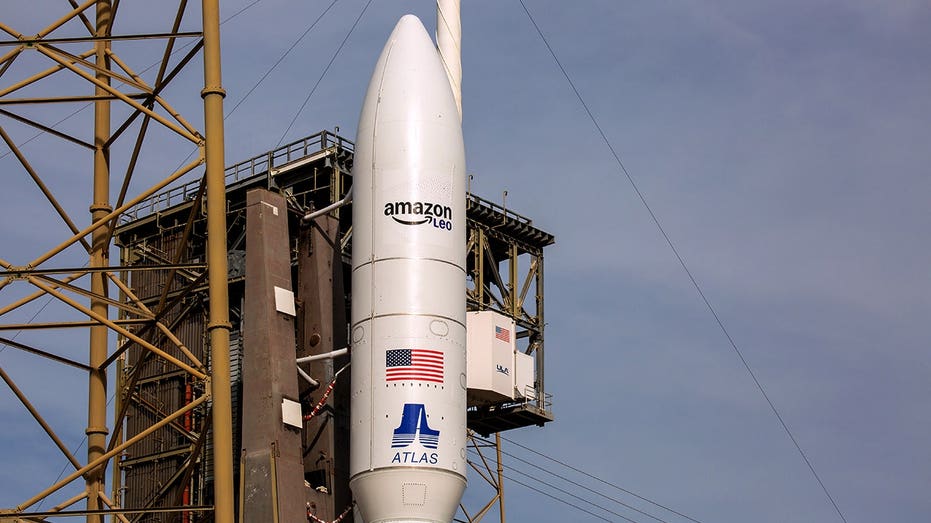
Amazon is edging closer to launching its Leo satellite internet service, positioning it as a rival to SpaceX's Starlink. The company confirmed it has now deployed enough satellites to begin an initial rollout to customers later this year, marking a significant milestone in its bid to enter the satellite broadband market.
Amazon launched a further 29 satellites into low Earth orbit on 2 July, bringing its total deployed fleet to 396. These satellites still need to manoeuvre into their designated operating positions before the service can go live. Despite the progress, Amazon remains well behind Starlink, which has been operating since 2019 and boasts a far larger satellite network, broader coverage and an established customer base, meaning Amazon Leo is unlikely to challenge existing home internet providers immediately.
In short
- Amazon Leo now has 396 satellites in orbit.
- Initial customer service expected later this year.
- Amazon still trails Starlink's larger, established network.
Explained simply
Satellite internet beams broadband from orbiting satellites rather than using ground-based cables or towers, which means it can potentially reach remote and rural areas where traditional providers have not invested in infrastructure. This technology has become increasingly important for connecting isolated communities to online services globally.
SpaceX launched Starlink in 2019 and has built a substantial lead in the satellite internet market, with hundreds of thousands of customers and extensive coverage across multiple continents. Amazon is now developing a competing service called Leo, which would use its own fleet of satellites to offer similar broadband coverage and compete with Starlink.
The emergence of satellite internet matters because it could bring reliable broadband to remote areas previously unable to access it. The competition between companies like Amazon and SpaceX suggests this market is attracting significant investment from technology leaders.
Art Celebrity Culture Entertainment Space Technology World