Video games news, releases, esports and culture — all the biggest gaming stories in one place.
AMD graphics card price hikes are reportedly following Nvidia’s, as the AI-fuelled RAM shortage continues to set wallets alight
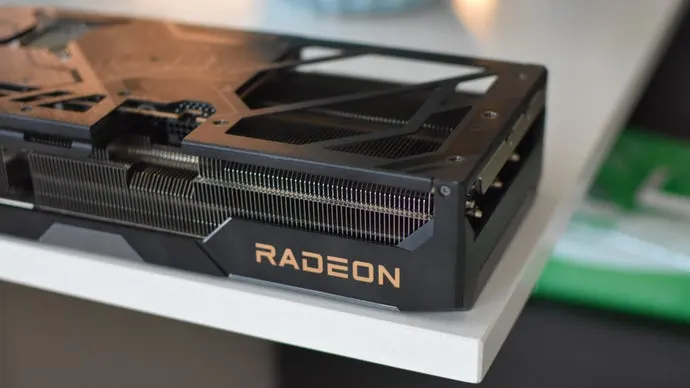
AMD has reportedly followed Nvidia in raising graphics card prices, as an ongoing memory chip shortage driven by AI datacentre demand continues to push up the cost of GPUs and other memory-dependent hardware. This matters because it points to prolonged price rises for consumers across multiple graphics card brands, with little indication the underlying memory crunch will ease soon.
According to a report shared by Korean tech commentator Harukaze5719, AMD is increasing the prices it charges partners for cards by 10%, having reportedly waited until Nvidia moved first with hikes of up to 30%, as earlier reported by Taiwan's Economic Daily News. How much of this is passed on to consumers remains to be seen. Separately, leaks suggest AMD's upcoming budget Radeon RX 9050 will ship with just 4GB of VRAM, which Digital Foundry has flagged as concerning even for an entry-level card. The broader shortage is being driven by AI datacentre demand for memory chips, with Samsung, SK Hynix and Micron currently facing a US lawsuit alleging they fixed RAM prices and supply.
In short
- AMD reportedly raising GPU prices 10% to partners, following Nvidia's lead
- Nvidia's own hikes reported at up to 30%
- AI-driven RAM shortage continues; chipmakers face US price-fixing lawsuit
Steelman: both sides, in good faith
The strongest fair case each way — we don't pick a winner.
The case for
The price increases reflect genuine supply constraints in memory chips driven by massive datacentre demand for AI infrastructure. When components become scarce, price increases are a natural and economically justified market mechanism that encourages efficient allocation and signals manufacturers to expand supply. Companies facing higher input costs are rationally passing these through to partners and ultimately consumers.
The case against
Although memory constraints are real, price increases of up to 30% seem disproportionate to typical cost inflation in components. Combined with ongoing legal allegations of price fixing in the memory chip industry, these increases raise questions about whether companies are genuinely responding to scarcity or exploiting constrained markets. Consumers with limited GPU alternatives face pressure to accept higher prices despite what may be modest underlying cost increases to manufacturers.
Explained simply
Graphics cards use memory chips to store the data needed to render images and run games. AMD and Nvidia are the two main makers of graphics processors; they sell chips to board partners, which produce cards for consumers.
AI data centres need large quantities of memory, adding pressure to supply and costs for hardware makers. Samsung, SK Hynix and Micron are major memory suppliers and face a US lawsuit alleging they fixed prices and supply; the allegations have not been established in court.
Higher costs for graphics card makers can feed through to prices for gamers and other buyers, though the amount and timing depend on manufacturers and retailers. Limited memory can also affect how much is included in lower-priced cards, which may shape their usefulness for demanding games.