AMD says its working on FSR’s frame pacing issues, but there’s still conspicuously no mention of Multi Frame Generation
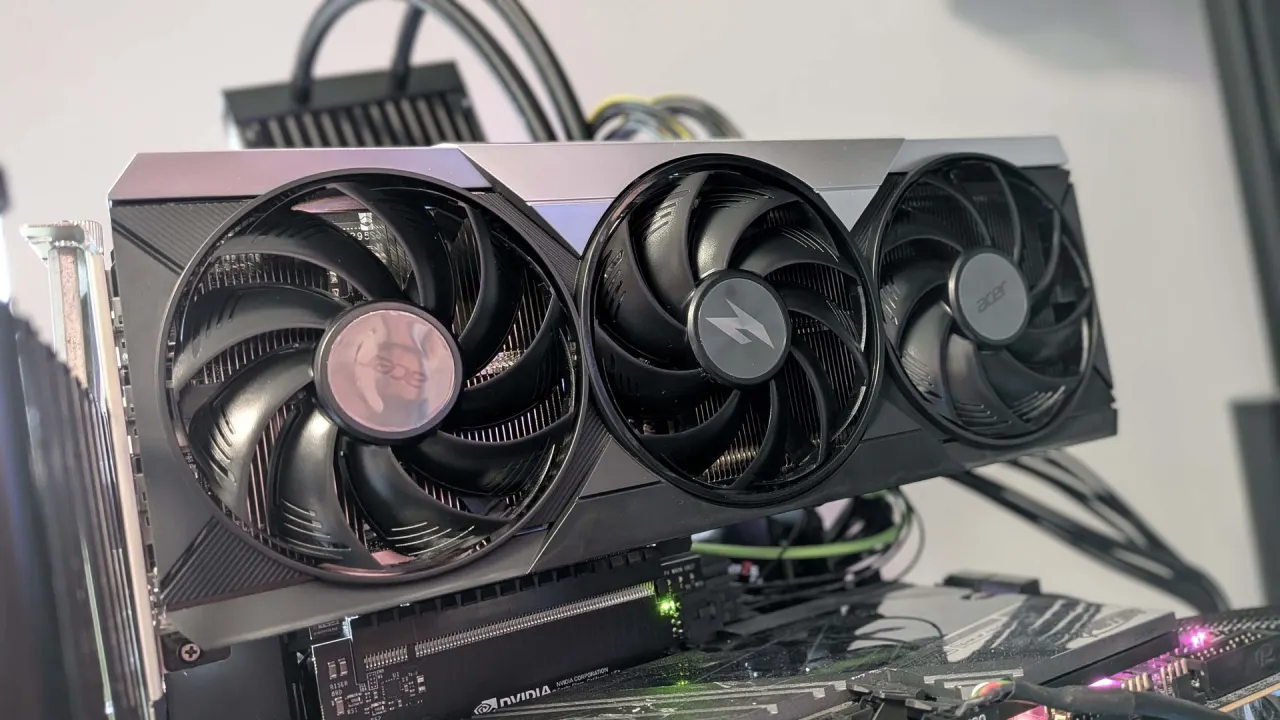
AMD says it is working to improve frame pacing in its FSR frame generation technology, addressing uneven delivery of generated frames that can make motion look less smooth. The issue matters because frame generation aims to boost performance, but inconsistent pacing can undermine the perceived benefit.
The article says AMD has not mentioned when a fix will arrive or addressed Multi Frame Generation, which creates several generated frames between rendered ones. That feature has drawn attention because of concerns about latency and image quality; AMD’s latest comments focus on frame pacing rather than those broader questions.
In short
- AMD says it is working on FSR frame pacing.
- The timing of a fix remains unclear.
- AMD did not discuss Multi Frame Generation.
Explained simply
AMD is a chip and graphics technology company whose Radeon graphics cards compete with products from Nvidia. Its FidelityFX Super Resolution, or FSR, is software that can help games run at higher frame rates by generating extra frames between those rendered by a graphics card.
The generated frames are intended to make movement look smoother, but they need to appear at regular intervals. If their timing varies, motion can look uneven, which may reduce the benefit players notice.
Multi Frame Generation extends the same idea by creating several extra frames between rendered ones. It has prompted questions about how added frames affect responsiveness and image quality, issues that matter to players and game makers considering the technology.