World news and discussion on TalkFuse.
AMD falls 8% after report raises concerns over US scrutiny of China ties
Developed over time first seen 12 hours ago
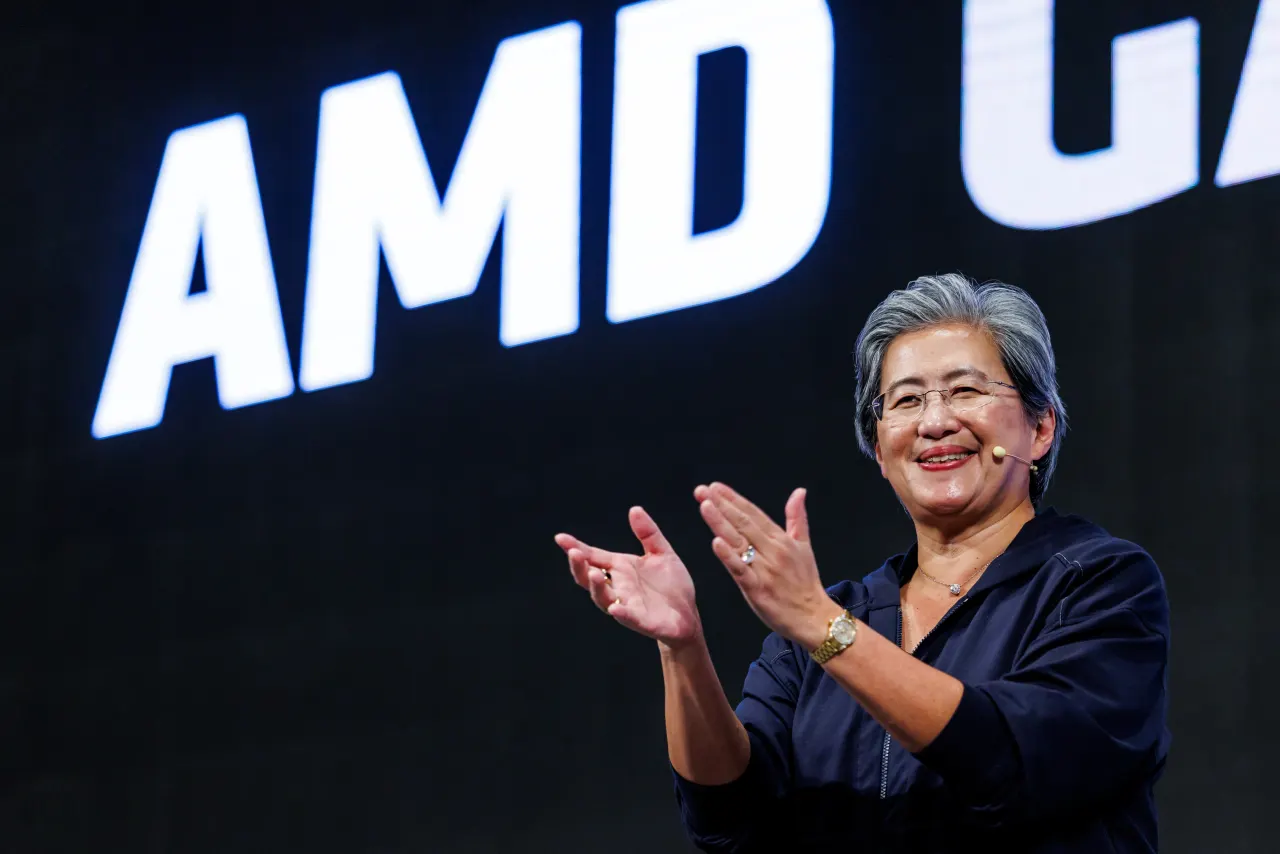
AMD shares fell 8% on Thursday after short-seller Hunterbrook Media alleged that the company’s business links to Chinese entities connected with blacklisted firms could attract greater US regulatory scrutiny. The report raises questions about AMD’s exposure to export controls and its ability to benefit from restrictions on rival Nvidia’s sales of advanced AI chips to China.
Hunterbrook said a Chinese server maker blacklisted by the US in March 2025 had incorporated newer AMD firmware, and that three companies closely tied to it used the same software. The report also attributed $67 million in 2025 licensing income to two Chinese chip ventures blacklisted in 2019; Reuters said it could not independently verify the claims. AMD said the report misrepresented its practices and that it complies with US export control laws. LSEG data showed AMD’s forward price-to-earnings ratio at 31.28, while 56 analysts had an average “buy” rating and a median price target of $649.
- Sources
- 2
- Outlets
- 2
- Left · Centre · Right
- 0 · 1 · 1
In short
- AMD shares dropped 8% after a report raised concerns about its China ties.
- Hunterbrook alleged links involving blacklisted firms; Reuters could not verify the claims.
- AMD said it complies with US export control rules.
How this story developed
- 1 hour ago AMD said Hunterbrook’s claims misrepresented its relationships and reiterated that it complied with US export controls; the report focused attention on the company’s prospects in China as US restrictions constrain advanced AI chip sales.
- 8 hours ago Hunterbrook specified that IEIT Systems, blacklisted by the US in March 2025, and three firms linked to it used newer AMD firmware; it also attributed $67 million in 2025 licensing income to two Chinese chip ventures blacklisted in 2019, claims Reuters could not verify.
- 8 hours ago AMD shares dropped 8 per cent on Thursday after Hunterbrook Media alleged that the company’s China business links could invite closer US scrutiny, while AMD said it complied with export controls.
Where outlets differ
Centre outlets 1
Only here: dives, short, seller, alleged, exposure
Right-leaning outlets 1
Only here: falls, raises, concerns, scrutiny, ties
Every side used: china
Headline columns compared word for word; nothing in them is AI-written.
Steelman: both sides, in good faith
The strongest fair case each way — we don't pick a winner.
The case for
The reported links may warrant closer scrutiny because US export controls are intended to limit support for blacklisted entities, and licensing income or firmware use could raise questions about how effectively those restrictions are being observed. Investors may reasonably reassess AMD’s exposure to enforcement action or tighter rules, especially if its China business depends on permissions that could change.
The case against
The report’s claims have not been independently verified by Reuters, and links to Chinese firms do not by themselves establish that AMD violated restrictions or knowingly supported prohibited activity. AMD could argue that its products and licensing were supplied lawfully under applicable rules; until evidence or a regulatory finding clarifies the issue, the share-price fall may reflect uncertainty rather than demonstrated wrongdoing.
Explained simply
AMD makes processors and graphics chips used in computers and data centres, including hardware for artificial intelligence. China is a major technology market, but US export controls restrict the sale there of some advanced chips and related technology.
US authorities can blacklist companies they consider a national security concern, limiting what US firms may supply them. IEIT Systems and two Chinese chip ventures named in the report have been blacklisted; AMD says the report misrepresents its relationships and that it follows US export rules.
The issue matters because AMD’s ability to sell and license technology in China depends on complying with those rules. Any questions about its dealings with blacklisted firms could affect its access to the market and its business with US customers and regulators.
Coverage · 2 sources
Bias meters
From 2 rated sources.
Americas Asia Business Markets World
Read the full article at the source →
Originally published by New York Post as “AMD shares slide after short-seller warns China ties could invite US scrutiny”.