Technology news and discussion on TalkFuse.
AMD says Mext can halve server memory use with minimal performance loss
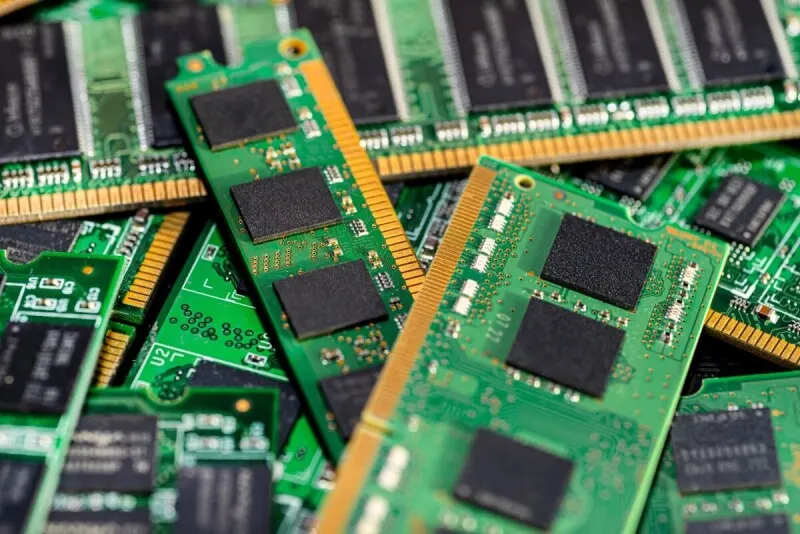
AMD says its Mext software can let some Epyc servers use half as much DRAM while retaining up to 99 per cent of performance. It uses machine learning to move less frequently accessed memory pages to cheaper NVMe storage, then bring them back before applications need them.
AMD acquired Mext in June, and its former chief executive Gary Smerdon says the software has been deployed on 145 systems, with an estimated $5 million in avoided memory costs. AMD says flash costs less and uses less power per bit than DRAM, but is much slower; Mext aims to manage that trade-off by predicting memory access. The model trains on an Epyc CPU core in under a second, while virtualised setups require one core per VM or VPC.
In short
- Mext aims to halve DRAM use while retaining up to 99 per cent of performance.
- AI predicts which memory pages to move between DRAM and NVMe storage.
- AMD estimates $5 million in savings across 145 deployed systems.
Steelman: both sides, in good faith
The strongest fair case each way — we don't pick a winner.
The case for
If AMD’s figures hold up in real workloads, Mext could help organisations reduce costly DRAM purchases and memory-related power use while keeping performance close to current levels. Its reported deployments and rapid model training offer some evidence that predictive page placement may be practical for at least some Epyc systems.
The case against
The reported savings and performance figures come from AMD and Mext’s former chief executive, so buyers may reasonably want independent results across a wider range of workloads before relying on them. Because NVMe storage is much slower than DRAM, prediction errors or the extra CPU cores needed in virtualised setups could reduce performance or offset some of the savings.
Read the full article at the source →
Originally published by The Register as “AMD: Where we’re going we don’t need (as much) DRAM”.