Video games news, releases, esports and culture — all the biggest gaming stories in one place.
AMD Zen 6 server processors have me hopeful for some beefy desktop chips—it shouldn’t be too long before Zen 7 and 8 drop either
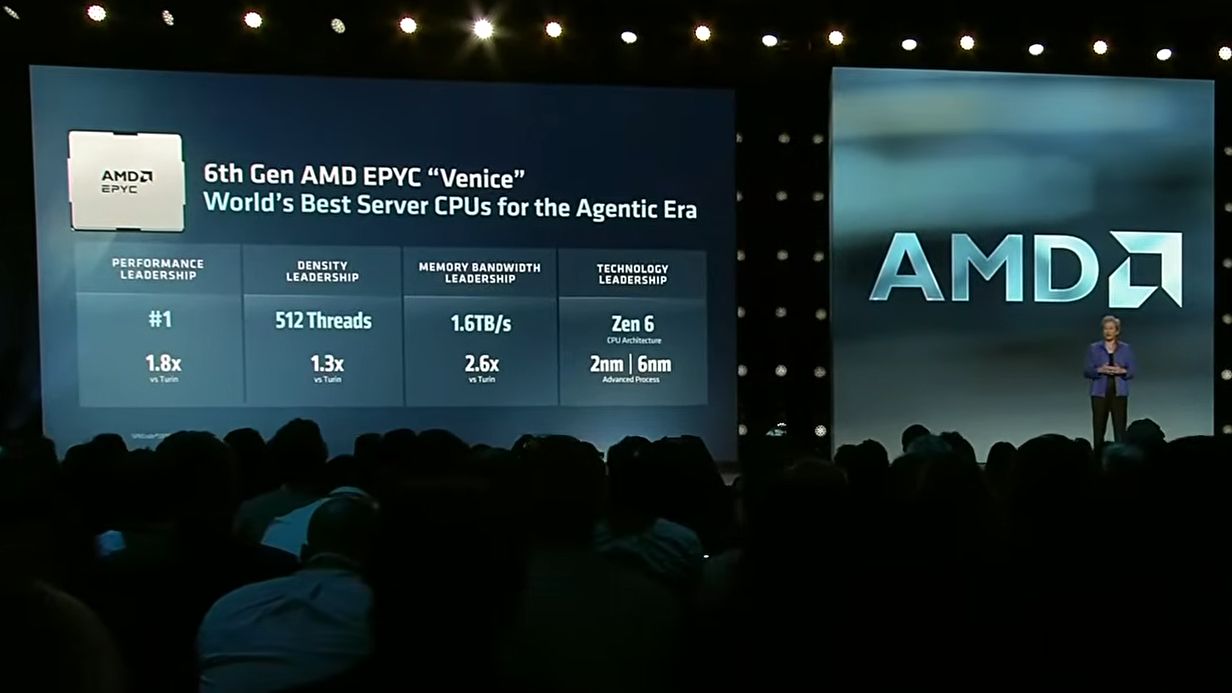
AMD’s disclosure of its forthcoming Zen 6-based Venice server processors has raised hopes that its next desktop chips could deliver a significant performance improvement. The article stresses that this is inference rather than confirmation, but argues that stronger instructions-per-clock performance could make future desktop processors both faster and more efficient.
AMD chief executive Lisa Su said Zen 6 offers higher IPC and frequency, with up to 1.8 times the performance of Zen 5-based Turin server chips. As Venice is expected to reach up to 5GHz, similar to Zen 5 Epyc, the article suggests much of the claimed gain may come from IPC; Zen 6 desktop chips are expected in late 2026 or early 2027, while server Zen 7 and Zen 8 are scheduled for 2027 and 2028.
In short
- Zen 6 server claims hint at stronger future desktop CPUs.
- AMD cites up to 1.8 times Zen 5 performance.
- Zen 7 and Zen 8 are planned for 2027 and 2028.
Steelman: both sides, in good faith
The strongest fair case each way — we don't pick a winner.
The case for
AMD's architectural improvements in Zen 6, particularly gains in instructions-per-clock performance, represent genuine technological advances that typically transfer to consumer products. The company has consistently brought server innovations to its Ryzen desktop range, and fundamental architectural improvements are generally applicable across market segments. Since Venice is expected to reach similar frequencies to Zen 5, the performance gains are architectural rather than frequency-driven, making them likely to benefit desktop processors when they arrive in late 2026 or early 2027.
The case against
Server and consumer markets, whilst sharing architecture, follow distinctly different trajectories, with manufacturers optimising servers for throughput and reliability whilst consumer chips must balance performance against thermal and cost constraints. AMD may implement market segmentation to protect server margins, and the year-long gap between server and consumer launches means consumer demand and competitive positioning could shift substantially. Thermal limitations, power budgets, and pricing strategies in consumer segments could prevent the full server performance gains from reaching desktop users.
Explained simply
AMD is a major computer processor manufacturer whose chips power everything from consumer computers to vast data centres. Processors are the fundamental components that determine how fast and efficient computers run. The company's Zen line is one of its key product families, with new generations released regularly to improve performance and efficiency.
When AMD develops a new processor generation, it typically releases server versions for data centres first, with consumer desktop versions following later—sometimes months or years afterwards. This staggered approach means that server processor announcements often provide early hints about what desktop users can expect from future products. Because processor upgrades are expensive and relatively infrequent, the timing of new releases significantly affects consumers' and businesses' upgrade decisions.
Lisa Su, AMD's chief executive, leads the company's product strategy. The company has outlined plans for new Zen-based processors for data centres and consumer markets arriving over the coming years. Understanding this release pattern helps explain why desktop users and technology enthusiasts pay attention to data centre processor announcements when planning their next upgrades.