Technology news and discussion on TalkFuse.
America needs thousands of blue-collar workers to manufacture our AI future
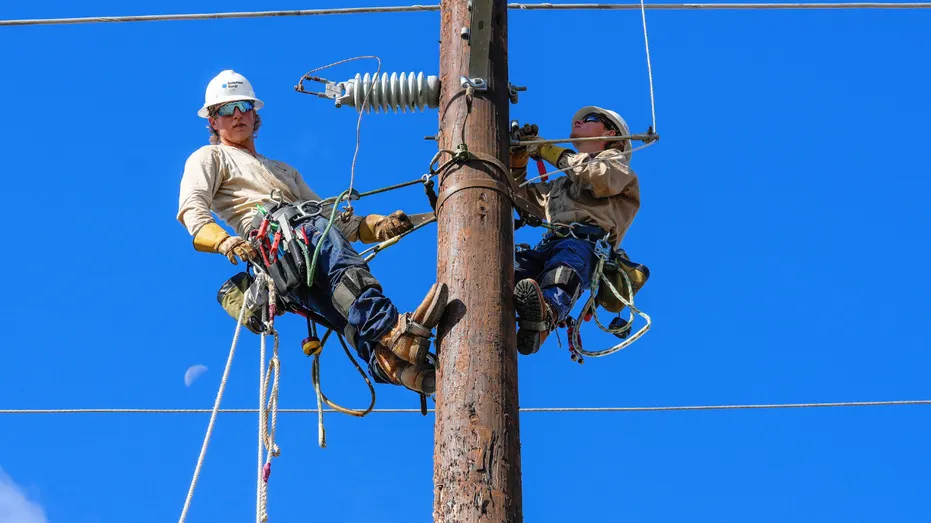
Technology companies are investing heavily in artificial-intelligence data centres, but the article argues that shortages of construction workers, electricians and factory technicians could constrain their plans. It presents the AI boom as a major opportunity for skilled trades, rather than one driven solely by software engineers and coders.
Alphabet, Microsoft, Meta and Amazon are expected to spend about $700 billion this year on AI-related infrastructure, excluding wider investment in electricity-grid upgrades and semiconductor production. The article says meeting this demand will require expanded apprenticeship and training programmes to supply the workers needed to build and maintain the infrastructure.
In short
- Skilled trades shortages may limit AI infrastructure expansion.
- Major technology firms expect to spend $700 billion this year.
- Apprenticeships could help supply essential workers.
Steelman: both sides, in good faith
The strongest fair case each way — we don't pick a winner.
The case for
The substantial AI infrastructure investment represents genuine economic opportunity for American blue-collar workers. With companies investing approximately $700 billion annually, labour shortages in construction, electrical and technical maintenance will create well-remunerated positions. Targeted investment in apprenticeship programmes can equip workers for these roles, strengthening career pathways in skilled trades.
The case against
Whilst infrastructure spending is genuinely occurring, the opportunity narrative warrants scrutiny based on historical precedent. Labour shortages often benefit employers through wage suppression rather than worker advancement, and the long-term sustainability of massive AI investment remains unproven. Critical questions about worker protections, job quality and wages must receive equal policy attention alongside the opportunity framing.
Explained simply
Artificial intelligence runs on computer systems housed in large data centres, which need buildings, electrical equipment and reliable power. Building and maintaining them depends on workers such as electricians, construction crews and factory technicians, as well as software specialists.
Alphabet, Microsoft, Meta and Amazon are among the companies investing in this infrastructure. Their plans also connect to wider needs, including electricity networks and the factories that make computer chips.
The scale of investment could create more work for people in skilled trades, while a shortage of trained workers may slow construction. Apprenticeships and other training programmes are one way to prepare people for these jobs.