Politics news and discussion on TalkFuse.
US midterms test Republican control of Congress as Trump struggles in polls
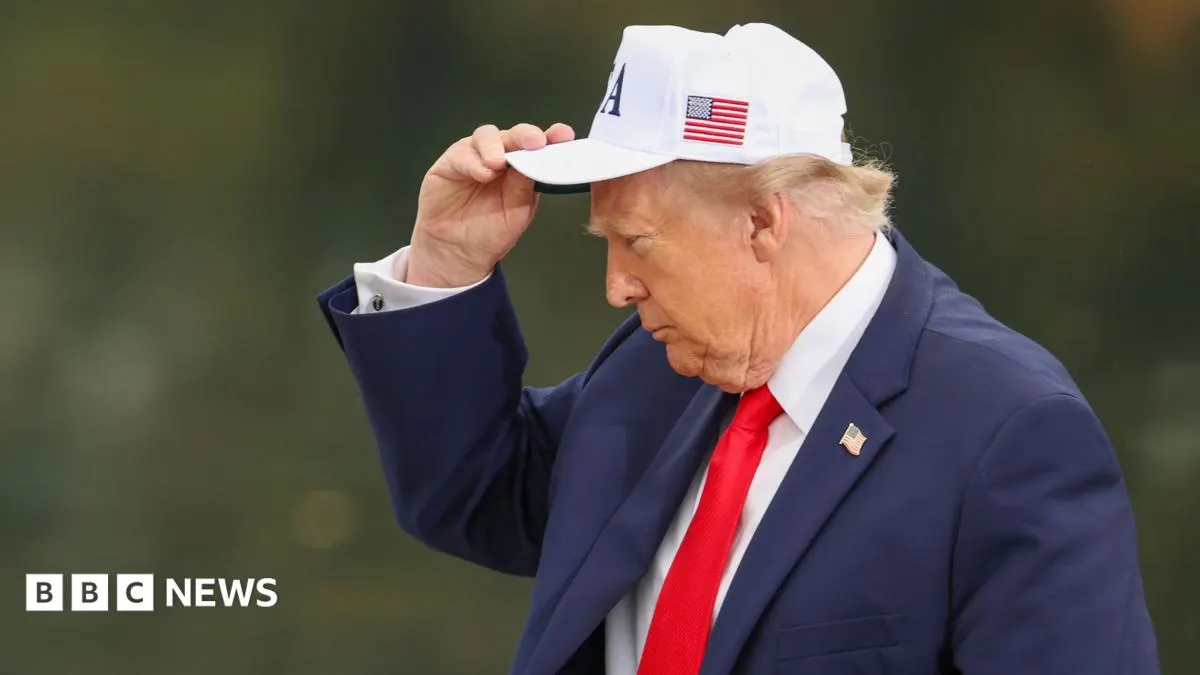
Donald Trump’s Republicans face a difficult test in Tuesday’s midterm elections, which will decide control of Congress and could shape the final two years of his presidency. Rising living costs, low approval ratings and public concern about the war with Iran have put the party on the defensive, including in states it has traditionally won comfortably.
Fuel prices have climbed sharply: diesel rose from $3.75 a gallon before the war began in February to a record $6.52 in September, while inflation increased from 3% when Trump took office to 3.7%. Republicans have spent heavily on advertising and Trump has campaigned in Iowa and Kansas, as Democrats see viable Senate opportunities in states including Texas, Ohio and Kansas. The article’s account of voter views is cut off before it reaches its conclusion.
In short
- Midterms will decide control of Congress.
- High prices are putting Republicans under pressure.
- Democrats see Senate openings in traditionally Republican states.
Steelman: both sides, in good faith
The strongest fair case each way — we don't pick a winner.
The case for
Republicans can argue that midterms often serve as a check on the party in power, and that voters should weigh the administration’s broader record and plans rather than treat higher costs or low poll numbers as a verdict on every issue. Maintaining Republican control could also help Trump carry out his agenda and avoid divided government slowing policies voters supported in the last election.
The case against
Democrats can argue that rising living costs, higher inflation and concern about the war with Iran are legitimate tests of the administration’s performance, and that voters should use the midterms to hold it accountable. A change in control of Congress could provide stronger scrutiny of the president and give greater weight to voters seeking a different direction for the country.
Explained simply
US midterm elections take place halfway through a president’s four-year term. Voters choose members of Congress, which makes federal laws and oversees government spending; the Senate also confirms many senior appointments.
Congress has two chambers: the House of Representatives and the Senate. Republicans currently control both, while Democrats are the main opposition party. Control of either chamber can affect how easily a president advances legislation and how closely the administration is scrutinised.
Donald Trump is the Republican president. The cost of living and public views of his performance can influence voters’ choices, while decisions about the war with Iran are part of the wider political debate. The election matters because its outcome will shape the balance of power in Washington during the rest of his term.
Elections Government Politics World
Read the full article at the source →
Originally published by BBC World as “Americans head to the polls for elections that could define Trump’s closing chapter”.