America’s next war could reach US soil, top Army general warns
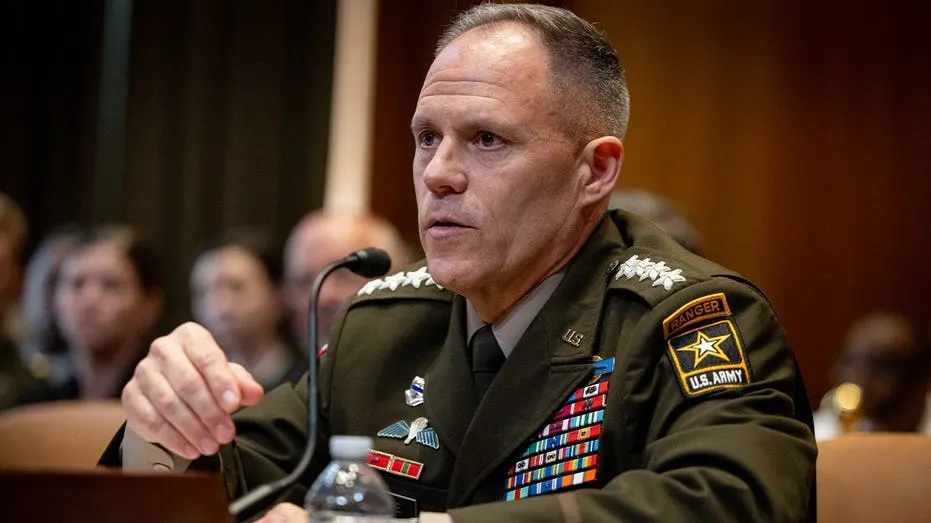
The Army is preparing for the possibility that a future conflict could disrupt US bases, transport links and communications before American forces deploy overseas. Acting Chief of Staff Gen. Christopher LaNeve said the ability to project power may be contested, prompting a rethink of assumptions formed during the Iraq and Afghanistan wars.
The Army’s new “How the Army Fights” framework aims to help forces deploy and keep operating when infrastructure or communications are under attack, including by operating while disconnected and reconnecting when possible. A Pentagon report warns that China has placed cyber capabilities inside US critical infrastructure networks, while drone incursions have been reported at military sites, though those incidents have not been publicly linked to China. The Army is also working with law enforcement on counter-drone defences and testing technology at the southern border.
- The Army is preparing for attacks that could disrupt deployments from within the US.
- A new framework prioritises operating through damaged communications and supply lines.
- Officials cite cyber and drone threats, without attributing reported incursions to China.
New here? Start with this
For decades, the US Army has often been able to move troops and equipment from the United States to overseas conflicts using secure bases, transport and communications. Its recent wars in Iraq and Afghanistan helped shape plans around that kind of deployment and support.
China is a major military competitor of the United States, and governments have raised concerns about cyberattacks on important services and infrastructure. Military bases and transport links also rely on digital communications, while drones can pose security challenges; reported drone sightings at US military sites have not been publicly tied to China.
The Army’s “How the Army Fights” framework sets out how forces could deploy and keep operating if communications or infrastructure were disrupted. The issue matters because problems at home could affect the movement and support of troops before they reach a conflict overseas.
Both sides, in good faith
The strongest fair case each way — we don't pick a winner.
The case for
Preparing for attacks on US infrastructure before troops deploy is a prudent response to the possibility that a rival could disrupt communications, transport or military bases. Developing forces that can operate while disconnected, alongside counter-drone work with law enforcement, could protect personnel and preserve the ability to respond without assuming that overseas deployments will proceed unchallenged.
The case against
Treating a possible conflict reaching US infrastructure as a reason to reshape Army planning risks giving uncertain threats undue weight, especially when reported drone incursions have not been publicly linked to China. Expanding military involvement in domestic infrastructure and border security could blur the roles of the armed forces and civilian agencies, while diverting resources from more immediate defence needs.