World news and discussion on TalkFuse.
America’s Secrets For Sale? Another Government Insider Admits To Spying
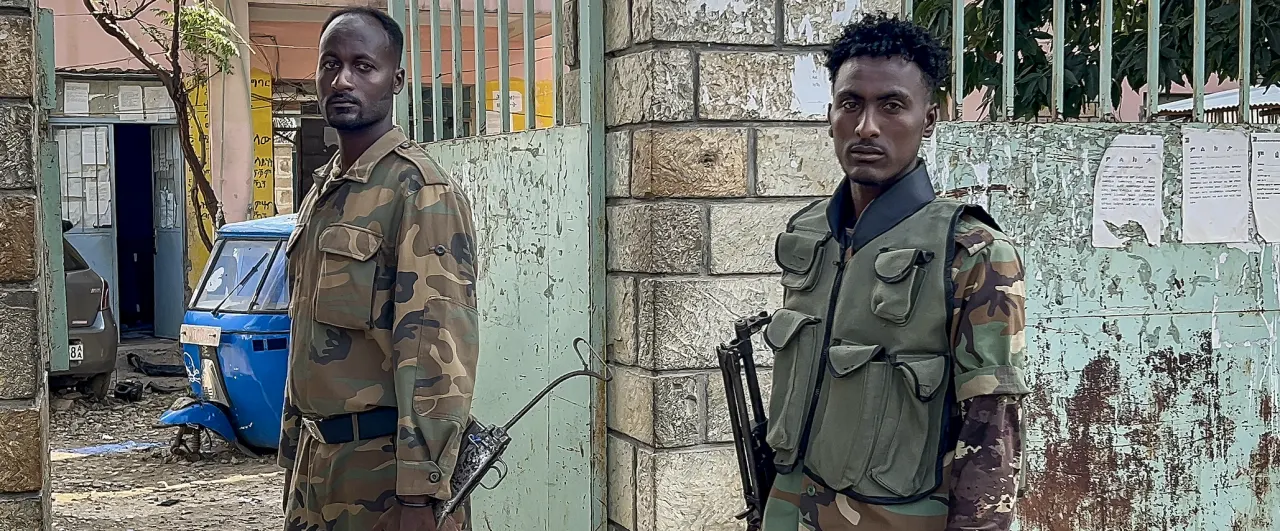
Former US government contractor Ibraham Teklu Lemma has pleaded guilty to conspiring to pass classified information to Ethiopia, after using his security clearance to access intelligence. The case has renewed scrutiny of safeguards for sensitive information amid several other recent cases involving alleged or suspected leaks.
Lemma worked as an IT systems administrator for the State Department, Justice Department and National Reconnaissance Office from 2021 until his arrest in August 2023. The Justice Department said he shared information classified up to Top Secret/Sensitive Compartmented Information about armed conflict in Ethiopia; he has agreed to a prison term of 120 to 262 months. The article also cites recent arrests and scrutiny involving other contractors and officials, though the cases are at different stages.
In short
- Lemma admitted conspiring to spy for Ethiopia.
- He used a top-secret clearance to access intelligence.
- His agreed prison term is 120 to 262 months.
Steelman: both sides, in good faith
The strongest fair case each way — we don't pick a winner.
The case for
The guilty plea and other recent cases raise reasonable questions about whether agencies sufficiently limit and monitor access to highly classified material. Supporters of tighter safeguards may argue that stronger checks, access controls and oversight are needed to reduce the risk of insiders misusing clearances and to protect sensitive information and people who could be endangered by its disclosure.
The case against
A plea in one case, alongside other cases at different stages, does not by itself show that the wider security system is failing. A thoughtful counterargument is that agencies must preserve the access needed for staff to do complex work, while applying safeguards proportionately so they do not unduly hinder operations or treat all cleared personnel as suspect.
Explained simply
Government agencies use security clearances to limit access to sensitive information to people whose jobs require it. Top Secret and Sensitive Compartmented Information are classifications for material considered especially sensitive, with access restricted further according to a person’s role.
Ibraham Teklu Lemma worked in IT roles for several US government departments and the National Reconnaissance Office, an agency that operates intelligence satellites. The case concerns information about armed conflict in Ethiopia, a country in the Horn of Africa, and alleged efforts to pass it to the Ethiopian government.
The case has drawn attention to how agencies control access to classified material and monitor its use. Other recent cases involving officials and contractors are also under scrutiny, but they differ in their allegations and legal status.
Americas Government Politics World