Science news and discussion on TalkFuse.
Amur tiger Ginger Biscuit settles into new home
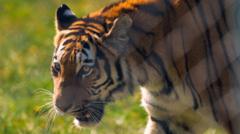
A rare Amur tiger named Ginger Biscuit has relocated to Woburn Safari Park in Bedfordshire, having moved on Tuesday from Longleat in Wiltshire as part of an international conservation programme. Keepers report she is "settling in well" and showing confidence as she explores her new surroundings, marking another example of the role modern safari parks play in protecting a species under real pressure in the wild.
The two-year-old tiger's move forms part of the European Endangered Species Programme (EEP), which coordinates breeding across wildlife parks. Ben Davies, head of carnivores, said she was getting used to her habitat, exploring the trees and bushes and observing the park's two other tigers from a distance. Although young tigers typically stay with their mothers for up to three years, the park said her relocation at two reflects a natural transition; staff hope she will become "great friends" with Woburn's male tiger, Dmitri, and she has been placed in a dedicated tiger habitat within the Road Safari.
In short
- Amur tiger Ginger Biscuit has moved from Longleat to Woburn Safari Park.
- The relocation supports a European endangered species breeding programme.
- Keepers hope she will pair with Woburn's male tiger, Dmitri.
Steelman: both sides, in good faith
The strongest fair case each way — we don't pick a winner.
The case for
The Amur tiger is critically endangered with fewer than seventy individuals remaining in the wild, making international breeding programmes like the EEP essential to maintain genetic diversity and preserve the species whilst habitat protection efforts continue in Russia and China. Safari parks provide the funding, research capacity and public engagement that makes broader conservation work viable, and Ginger Biscuit's carefully managed relocation follows established protocols designed to maximise both her wellbeing and the species' long-term survival prospects.
The case against
Moving a two-year-old tiger from her mother before the natural three-year maternal period ends raises legitimate welfare concerns, and the substantial resources invested in European captive breeding may divert critical attention and funding from protecting the Amur tiger's natural habitat in the Russian Far East. The species' genuine survival ultimately depends on securing wild territory and political commitment in Russia and China rather than maintaining insurance populations in Western safari parks, however well-managed those facilities may be.
Explained simply
The Amur tiger is one of the world's rarest big cats, with fewer than 400 left in the wild, mostly in eastern Russia and China. These tigers face existential threats from habitat destruction, poaching and conflicts with humans, putting their survival in serious jeopardy.
Modern wildlife parks participate in coordinated international breeding programmes to protect endangered species. The European Endangered Species Programme works across zoos and safari parks to move animals strategically, aiming to maintain genetically healthy populations and preserve the possibility of one day reintroducing these species to the wild.
Such programmes reflect how conservation in the 21st century often depends on partnership between human institutions and wild nature. As habitats continue to shrink globally, captive breeding and management have become essential tools in the race to prevent species extinction.