Video games news, releases, esports and culture — all the biggest gaming stories in one place.
An AI-generated version of The Odyssey is set to release later this summer, but even the studio admits it won’t be better than Christopher Nolan’s version
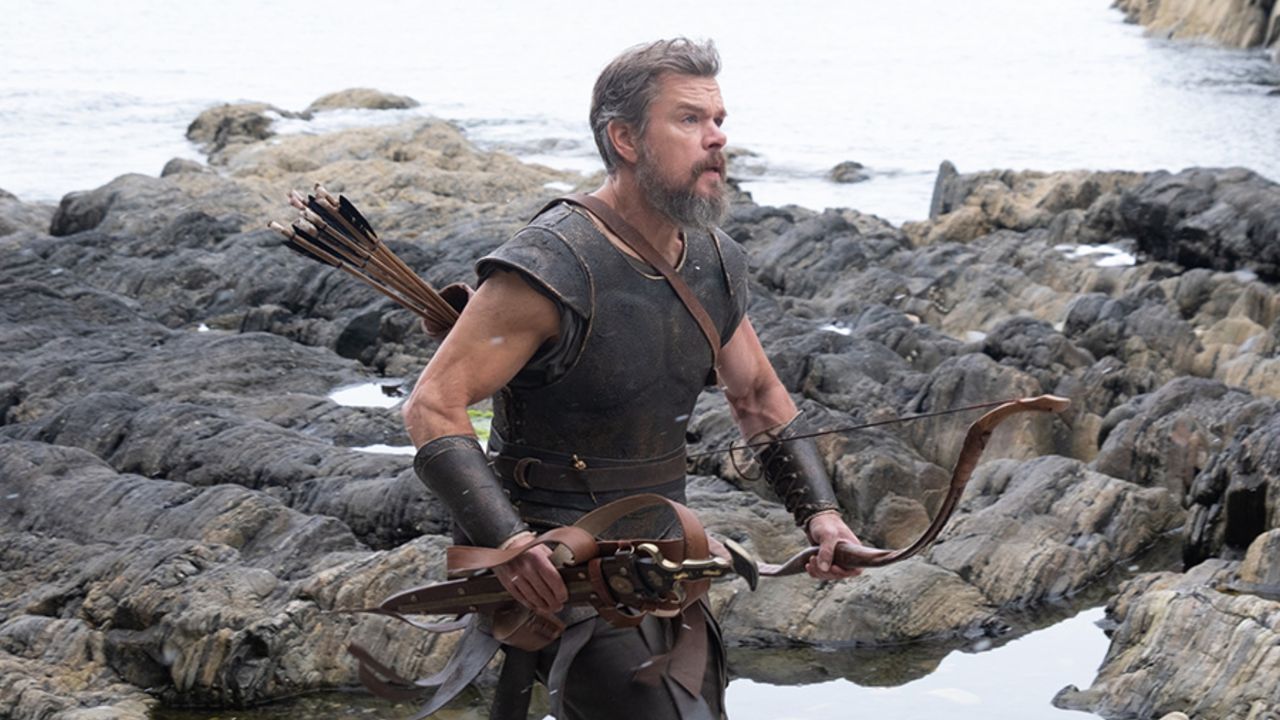
GamesRadar reports that an AI-generated adaptation of The Odyssey is due out later this summer, but its own studio is framing it modestly rather than as a major rival to traditional filmmaking. The significance lies less in the project’s likely artistic impact and more in what it says about the growing use of generative AI in film, especially as it is being compared in advance with Christopher Nolan’s planned take on the same classic story.
The key detail is that the creators themselves reportedly concede their version is unlikely to surpass Nolan’s, which undercuts any suggestion that it is intended as the definitive adaptation. The article positions the release as a curiosity within the wider entertainment industry’s experimentation with AI, using the contrast with a high-profile Hollywood director to highlight the current gap between novelty and prestige. It also reflects how familiar literary properties such as Homer’s epic are becoming test cases for new production tools and debates about quality.
In short
- AI-made Odyssey film is coming later this summer
- Its creators admit Nolan’s version will likely be superior
- The story highlights AI’s expanding role in filmmaking
Steelman: both sides, in good faith
The strongest fair case each way — we don't pick a winner.
The case for
AI tools represent an exciting democratisation of filmmaking that enables experimentation and new forms of creative expression beyond the constraints of traditional studio production. The studio's modest framing shows this isn't positioned as replacing human directors like Nolan, but rather as one possible approach amongst many; multiple adaptations of classic stories can coexist and serve different audiences and purposes. Innovation often requires exploration even when initial results are imperfect, and algorithmic tools might eventually unlock new possibilities for storytelling that human creativity could then build upon.
The case against
Using celebrated literary works such as Homer's epic as test cases for generative AI trivialises their cultural importance and suggests commercial cost-cutting rather than genuine artistic advancement. The fact that even the creators concede their work will be inferior to a human-directed alternative indicates the technology simply isn't ready for this application, yet proceeding regardless risks establishing a troubling precedent where AI-generated content becomes the default for lower-budget productions, displacing human artists and creators.
Explained simply
The Odyssey is Homer's ancient Greek epic poem, one of the most celebrated stories in Western literature. It has been adapted for film and television numerous times, and right now at least two new film versions are in development using very different approaches.
One adaptation is being created using generative artificial intelligence, a technology that can produce images, text and other content based on patterns in training data. The other version is being directed by Christopher Nolan, one of Hollywood's most prominent filmmakers, known for films like Oppenheimer and Interstellar.
The significance lies in what these projects reveal about the film industry's growing use of AI technology. Classic stories like The Odyssey are increasingly becoming testing grounds for new production methods. The creators of the AI version have acknowledged they do not expect their work to match Nolan's, which raises questions about AI's current capabilities and role in filmmaking.