Politics news and discussion on TalkFuse.
An Election Day bright spot — in Colorado of all places
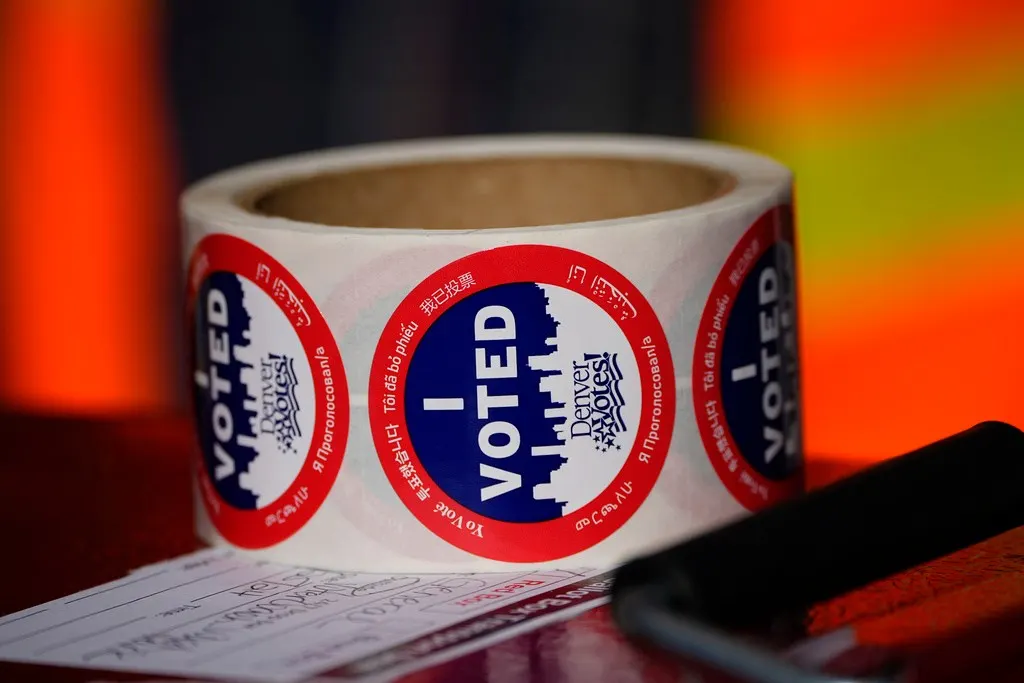
Colorado voters approved three ballot propositions on human trafficking, sports categories and medical procedures for minors, despite the state’s Democratic electoral record and earlier opposition in its legislature. The results show that voters backed measures which lawmakers had rejected, though the article presents them as a broader rebuke of expert expectations.
Proposition 133 passed with 62% of the vote. It mandates life imprisonment without parole for child sex trafficking and expands the offence to knowingly buying or selling sexual activity with a minor. Propositions 134 and 135 each received 53%: one bases school and college sports categories on biological sex, while the other restricts certain sex-altering surgeries for minors and bars public funding, Medicaid and insurance from covering them.
In short
- Colorado approved three ballot measures rejected by its legislature.
- Proposition 133 passed with 62% support.
- Two measures on sports and minors’ medical care each won 53%.
Steelman: both sides, in good faith
The strongest fair case each way — we don't pick a winner.
The case for
Supporters can argue that voters should have the final say when elected lawmakers reject measures they consider important. They see the propositions as protecting children, maintaining sex-based fairness in sport and setting limits on medical interventions for minors, with the results showing these concerns cross party lines.
The case against
Critics can argue that ballot measures can turn complex questions about criminal sentencing, sport and healthcare into broad rules that leave little room for individual circumstances or expert judgement. They may also object that restricting care or participation based on biological sex can harm transgender people, while mandatory life sentences limit judicial discretion.
Explained simply
Colorado is a western US state where voters can decide directly on proposed laws through ballot propositions. The state often votes for Democrats in national elections, but that does not mean voters agree with every decision made by its legislature.
The three measures concerned criminal penalties for child sex trafficking, how school and college sports categories are set, and access to certain medical procedures for minors. They had faced opposition in the state legislature, so their passage shows how voters can use ballot measures to settle issues lawmakers have not approved.