An Extreme Solar Storm May Be Even More Devastating Than Previously Imagined
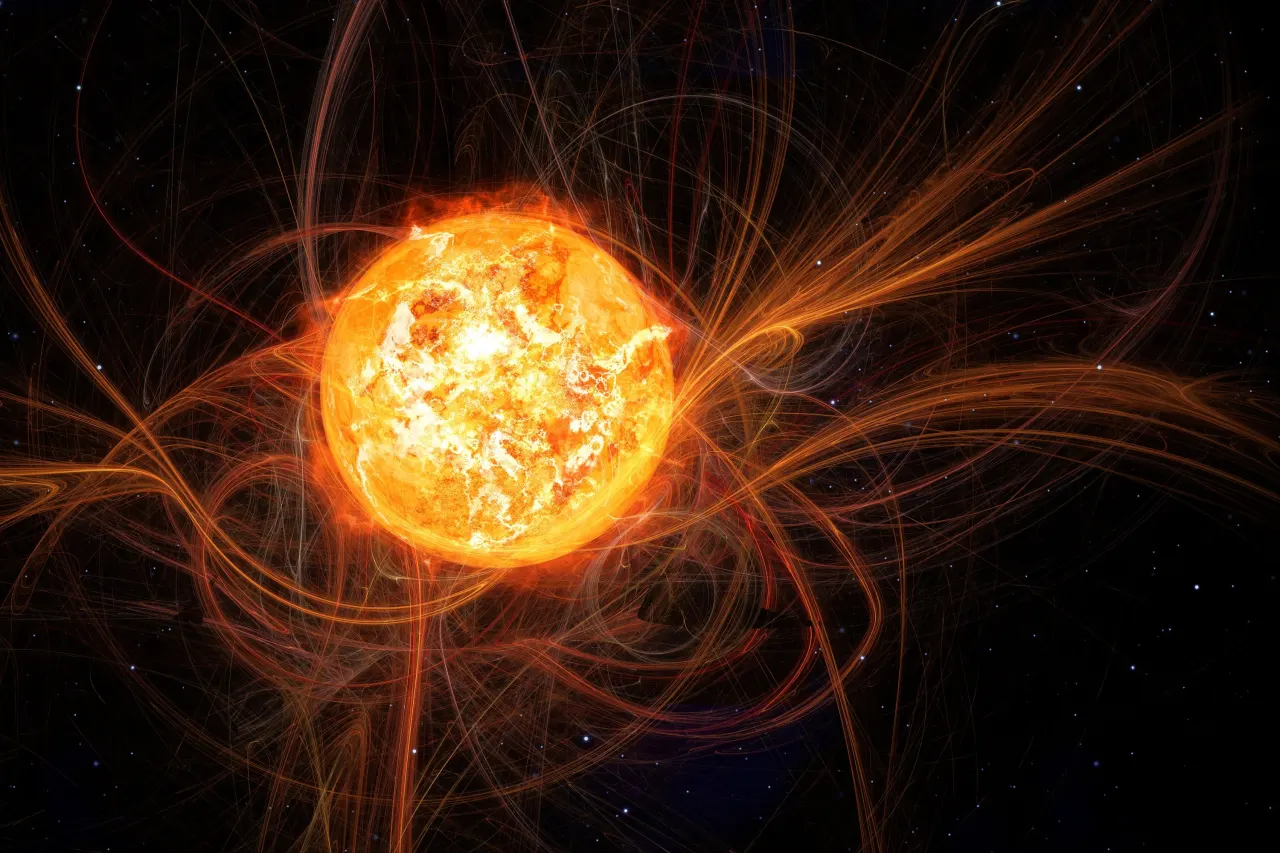
New research suggests that scientists may have significantly underestimated how severely Earth could be affected by an extreme solar storm on the scale of the 1859 Carrington Event, a once-in-a-thousand-years phenomenon that caused telegraph systems to fail and produced aurorae as far south as Cuba. The study challenges a long-held assumption that Earth's magnetic field "saturates" during the most intense solar storms, meaning its response levels off rather than growing proportionally with storm strength — a belief that had offered some reassurance about the worst-case impact of such events on modern infrastructure like power grids, satellites and GPS systems.
Researchers, including Maria Walach of Lancaster University, found that this apparent saturation effect may be a statistical illusion rather than a real physical limit. Solar wind measurements are typically taken by satellites at the L1 Lagrange point, roughly 1.5 million kilometres from Earth, but conditions change during the plasma's journey to Earth's magnetosphere, introducing uncertainty. Using a phenomenon called regression toward the mean, the team built a statistical model incorporating this uncertainty and found it reproduced the same "saturation" pattern seen in over 25 years of data — without needing to assume any genuine physical ceiling on Earth's response, implying a truly extreme storm could hit harder than previously thought.
- Study questions belief that Earth's magnetic field "saturates" during huge solar storms
- Apparent limit on storm impact may be a statistical illusion, not physics
- Findings imply a Carrington-level storm today could be more damaging than assumed