Politics news and discussion on TalkFuse.
An open letter to USC President Beong-Soo Kim regarding Lincoln Riley
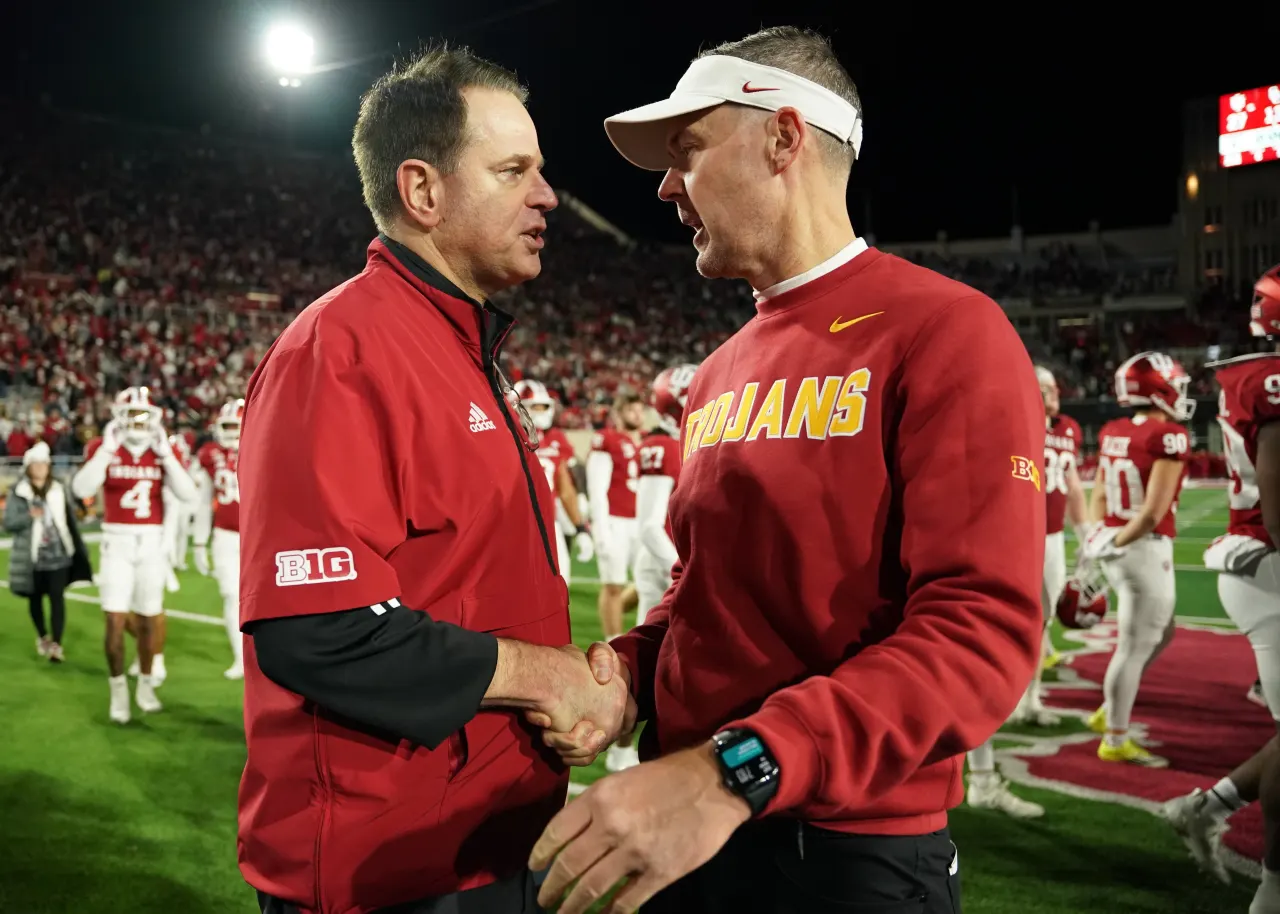
The writer urges USC President Beong-Soo Kim to reconsider Lincoln Riley’s leadership after USC’s 27-13 defeat by Indiana ended its College Football Playoff hopes. The article argues that Riley’s teams have repeatedly failed to meet expectations despite their talent, while cross-town rival UCLA has built a more open and successful programme under coach Bob Chesney.
USC is described as having three losses and a 42-21 record under Riley across five seasons, with no major bowl victories or Playoff appearances. The article contrasts that with UCLA’s 10-0 record under Chesney, including a 120-46 advantage over opponents in fourth-quarter scoring; a win over Michigan could secure the Bruins places in the Big Ten title game and the Playoff. It also criticises USC’s restricted media access and Riley’s handling of a player’s celebration after a hit left Oregon quarterback Dante Moore hospitalised.
In short
- USC’s Playoff hopes ended with a 27-13 loss to Indiana.
- Riley’s record is 42-21, with no Playoff appearances.
- UCLA is 10-0 under Bob Chesney and closing in on a Playoff place.
Steelman: both sides, in good faith
The strongest fair case each way — we don't pick a winner.
The case for
USC could reasonably conclude that Riley’s record has fallen short of the results expected from the programme’s talent and resources, with repeated setbacks and no major bowl win or Playoff appearance. The Indiana defeat, alongside UCLA’s contrasting success, may strengthen the case that leadership and culture need reassessing; greater openness and accountability could also help restore confidence among supporters.
The case against
One defeat that ends Playoff hopes need not, by itself, settle whether Riley can lead USC successfully, and comparisons with UCLA may overlook differences in circumstances and the limited evidence from Chesney’s early record. USC could reasonably value continuity and give Riley time to develop his programme, while judging him on a broader record and addressing specific concerns about media access or player conduct without treating them as proof that a coaching change is necessary.